

The Best Cars to Import from Germany in 2026 (Ranked)
Which premium models are genuinely worth importing from Germany in 2026? Our logic-driven ranking — the no-brainers, the hard-to-find configurations, the anti-penalty-tax weapon, and the traps to avoid at all costs.

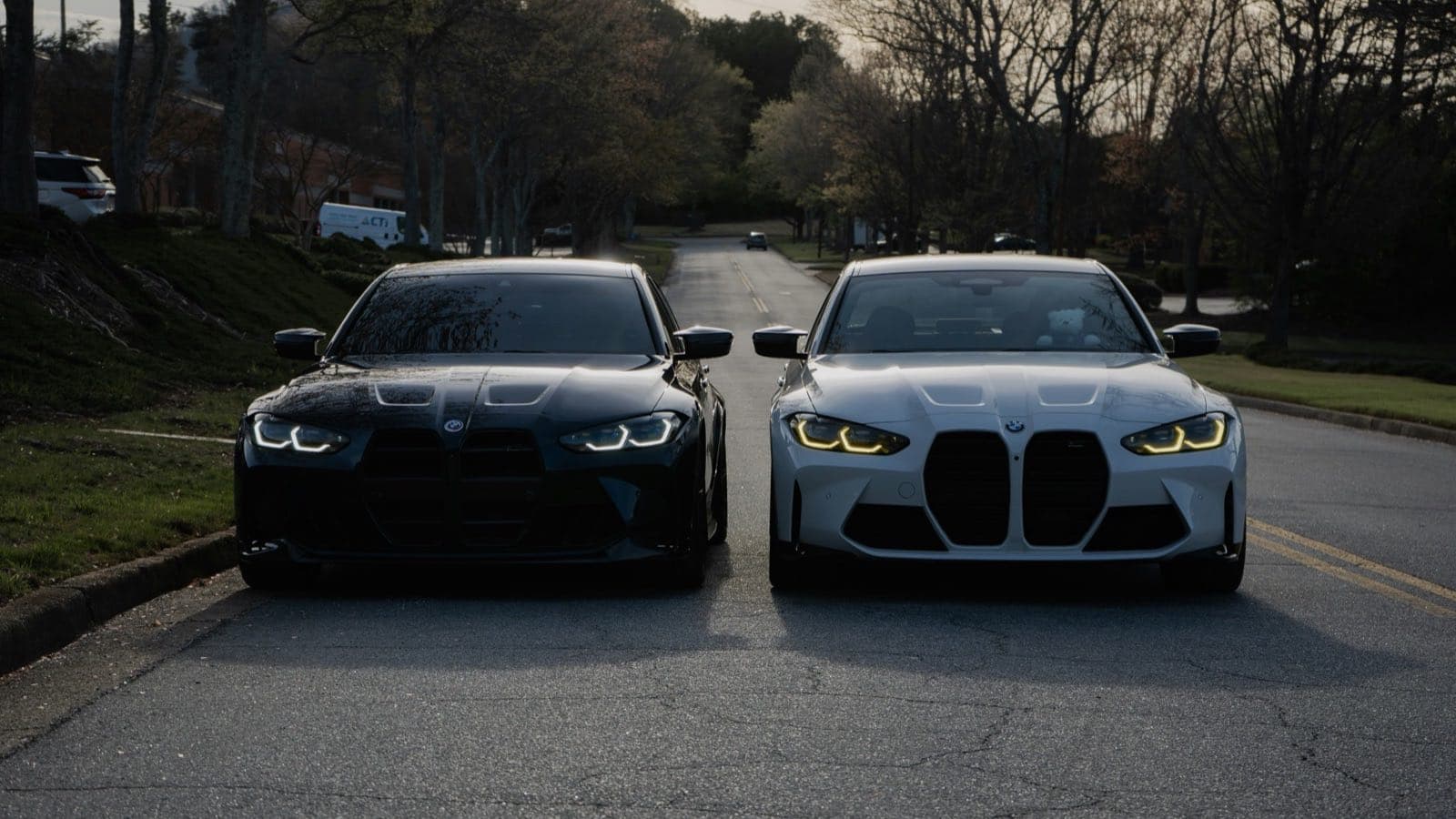
Importing a car from Germany can save you several thousand euros — but not all models are equal. Some combine a wide price gap, abundant supply, and a negligible penalty tax: these are the no-brainers. Others look tempting on paper but carry a 2026 penalty tax that wipes out the entire saving.
This ranking sorts the wheat from the chaff. It's not a marketing showcase — it's a selection built on purchasing logic, with the one filter that really matters in 2026: the penalty tax.
Why Germany, and why it lasts
Before the ranking, the fundamentals — because they explain why these gaps exist and why they're built to last:
- A market twice as deep. Germany sees around 12 million used-car transactions a year, versus roughly 6 million in France. More listings, more configurations, more competition among sellers → prices pushed down.
- A culture of short leases. Germans often trade in before the 3-year mark, which feeds the market with recent, low-mileage vehicles that are better equipped from the factory (M / AMG / RS packages, leather, Matrix LED, sunroofs).
- A premium gap of 15 to 22% depending on the model. After import costs, net savings typically land between 8 and 16% of the French market price.
For the model-by-model breakdown, see our 2026 Germany price guide; for the costs to budget for, our import cost guide.
The decisive filter for 2026: the penalty tax (malus)
This is the most misunderstood point — and the one that separates a good deal from a trap. The intimidating 2026 scale (CO2 penalty from 108 g/km, weight tax from 1,500 kg, cap at €80,000) primarily targets new vehicles.
On an imported used car, the logic is different: the scale that applies is the one from the vehicle's year of first registration, followed by an age-based discount. The result: the penalty tax melts away with age, and a model that looks "scary" when new can be perfectly reasonable a few years later, used. We've dedicated an entire guide to this mechanism: the 2026 penalty tax on an imported car.
Remember the rule: the older the car, the more the penalty tax fades — down to full exemption at 15 years and 1 month. And above all, electric vehicles are fully exempt (no CO2 penalty, no weight penalty). That's the anti-penalty-tax weapon for 2026.
The no-brainers: wide gap, strong supply, manageable penalty tax
1. Porsche Taycan (and premium EVs) — the best import of 2026
Price gap with France: -18 to -22%. The deepest Porsche market in Europe, brimming with lease returns. Versions and battery options far more varied than in France (4S, Turbo, Sport Turismo).
And above all: zero penalty tax. The entire price gap goes straight into your pocket. The same holds for the Macan Electric, Audi Q8 e-tron, BMW i, and Mercedes EQ: the German gap stays intact, the penalty tax is nil. If your use case fits, this is the ultimate winning combination.
2. Mercedes C-Class and E-Class (diesel / hybrid) — the sedans with massive stock
C-Class: up to -23%; E-Class: around -19%. German supply is massive, and the contained CO2 of diesel or hybrid variants keeps the penalty tax light. Hard to find a safer bet in the premium sedan category.
3. BMW 3 Series (320d / 330d) — the safe volume pick
A gap of -7 to -12% on an enormous supply. Moderate diesel CO2 → light penalty tax, further reduced by the discount on a 3- to 5-year-old used car. Frequently fitted with the M Sport package, leather, and factory options.
The best "price gap" value picks
- Audi A6 / A4 TDI — gap of -5 to -17%, deep supply, diesel with a moderate penalty tax, frequently fully loaded (Matrix LED, Bang & Olufsen).
- BMW 5 Series / X5 — the German BMW market runs well below France; since the X5 is a heavy SUV, favor diesel or plug-in hybrid versions (petrol stings on the penalty tax).
- Mercedes GLE (diesel / hybrid) — gap of -16 to -23%, deep stock; here too, avoid petrol / AMG versions (see the traps section).
The icons and configurations you can't find in France
Germany supplies what France doesn't:
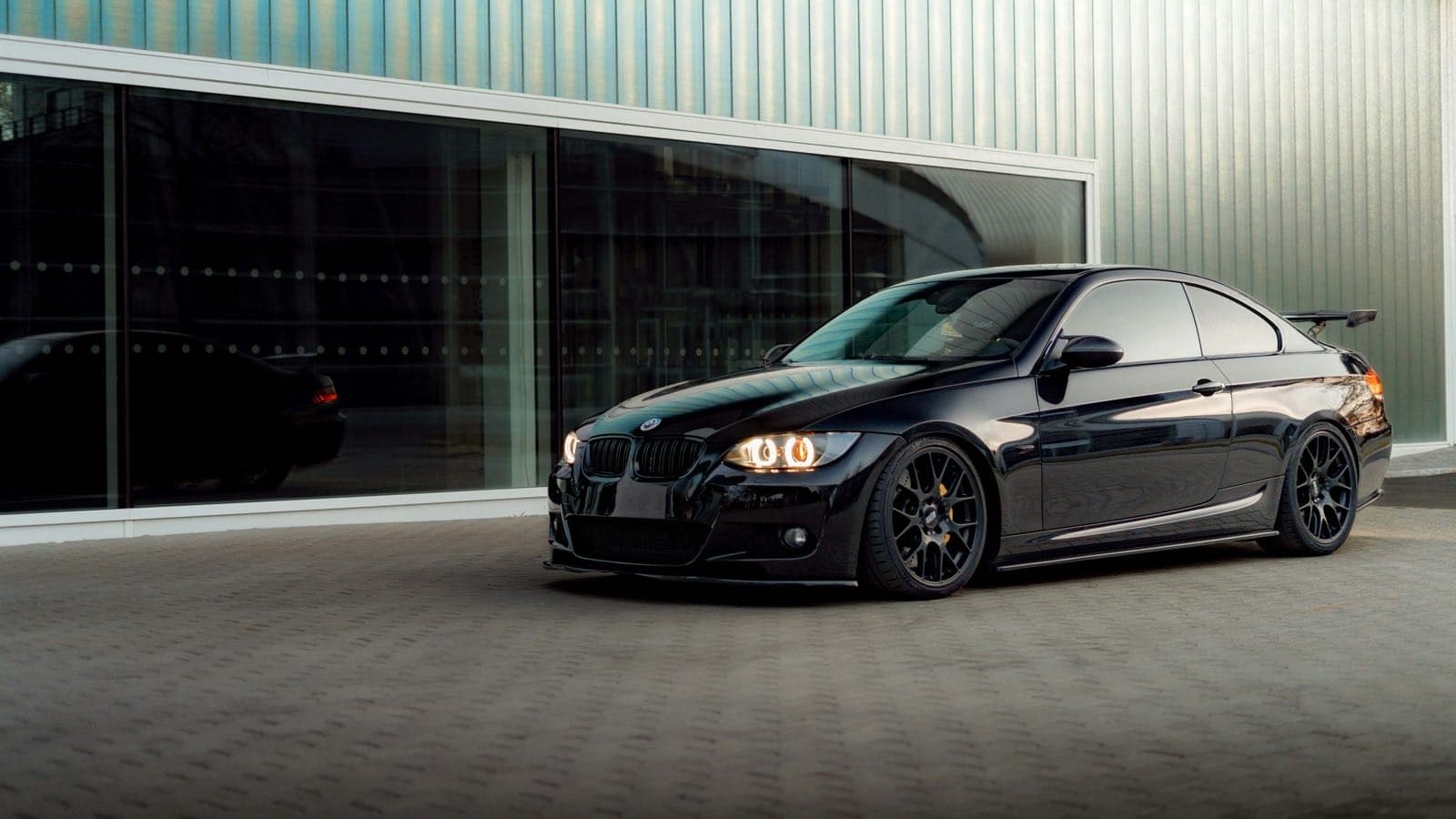
- BMW M3 / M4 Competition — the largest gap in absolute euros (in the range of 9,000 to 10,000 EUR in net savings on a recent M3 Competition). A very deep market (Touring xDrive, carbon packages, rare colors). The penalty tax is the point to watch, but on a 2020-2022 model year, the original scale plus the discount make it manageable relative to the gap. Full detail in our dedicated guide: importing a BMW M3/M4 from Germany.
- Porsche 911 — a gap of around -18%, the best-stocked market in Europe, an icon. The petrol penalty tax is worth watching but gets absorbed by the value and the discount. Our dedicated guide: importing a Porsche 911 from Germany.
- Audi RS3 / S3 — enormous German stock, the iconic 5-cylinder engine, configurations absent from the French market.
- Mercedes-AMG C63 (new 2.0 hybrid) / A45 — supply is deep, and the recent hybrid C63 keeps CO2 far more in check than the old V8, which is taxed much more heavily. Which AMG can you import without getting caught out by the penalty tax? Our guide: importing a Mercedes-AMG from Germany.
The electric and hybrid angle: saving a large vehicle from the penalty tax
If you're eyeing a large premium SUV, the powertrain changes everything:
- Fully electric (Taycan, Macan Electric, e-tron, EQ): full exemption from the penalty tax. The best gap-to-tax ratio of 2026.
- Plug-in hybrid (GLE 350e, Cayenne E-Hybrid, X5 45e, C300e): low CO2 and a 200 kg allowance on the weight penalty. Often the only way to import a large premium SUV without getting caught out by taxation.
The 2026 traps: when the penalty tax wipes out the savings
Worth stating plainly. On these models, the advertised price gap can be an illusion once the penalty tax is added in:
- Audi RS6 — the textbook trap. The twin-turbo V8 exceeds 270 g of CO2: when new, the penalty tax hits the €80,000 cap. Used, you need an already-old model year for the discount to make it manageable. Always recalculate, penalty tax included. Full detail in our dedicated guide: importing an Audi RS6 from Germany.
- Porsche Cayenne Turbo petrol — a heavy, thirsty SUV: small price gap (~-11%) + high penalty tax = often not worthwhile, except in the E-Hybrid version.
- Mercedes GLE / BMW X5 in petrol or AMG/M versions — combined weight above 1,500 kg and high CO2.
- Recent VW Golf R / GTI — when new, the penalty tax is steep (a new Golf R exceeds €30,000 in penalty tax in 2026). Imported used, it drops sharply, but on these models, the penalty tax is the story just as much as the price gap.
Summary table
The gaps below are ballpark figures (before import costs), highly variable depending on the year, configuration, and mileage. Never take these as exact prices — and the penalty tax should always be simulated case by case.
| Model | Germany / France Gap | 2026 Penalty Tax (used) | Verdict |
|---|---|---|---|
| Porsche Taycan (elec.) | -18 to -22% | None (exempt) | No-brainer #1 |
| Mercedes C-Class diesel/hyb. | ~-23% | Light | No-brainer |
| Mercedes E-Class diesel | ~-19% | Light | No-brainer |
| BMW 3 Series 320d/330d | -7 to -12% | Light | Safe bet |
| Audi A6 / A4 TDI | -5 to -17% | Light-moderate | Good value |
| BMW M3 / M4 Comp. | -16 to -19% | Moderate (worth calculating) | Icon, large gap |
| Porsche 911 | ~-18% | Moderate | Icon |
| Audi RS3 / S3 | ~-15 to -19% | Moderate | Rare config |
| Mercedes GLE diesel/PHEV | -16 to -23% | Moderate (weight) | If diesel/hybrid |
| VW Golf R / GTI | -15 to -22% | High on recent models | Caution |
| Audi RS6 | -19% and up | Very high | Trap |
| Porsche Cayenne Turbo petrol | ~-11% | High | Trap (except E-Hybrid) |
The 3 things to remember
- The penalty tax on an imported used car is calculated on its original year plus an age-based discount, not on the 2026 new-car scale. That's what keeps importing viable despite the tightened rules.
- Electric (the Taycan leading the way) is the only segment where the entire German price gap goes straight into your pocket — zero penalty tax.
- On V8s and large petrol SUVs, always recalculate with the penalty tax included before getting excited about a price.
Have a specific model in mind? The simplest way to find out is to run the numbers: the simulator below gives you the French market price, the Auto M Import price, and the savings you can realistically expect in 30 seconds.
And if you're torn between several vehicles, get in touch: we'll tell you which ones are genuinely worth importing — penalty tax included — and which are false bargains.
Frequently asked questions
- What is the best car to import from Germany in 2026?
- For maximum savings with no unpleasant surprises, the Porsche Taycan (and premium EVs in general) comes out on top: the price gap with France reaches 18 to 22%, the German supply is the deepest in Europe, and because it's electric, it's fully exempt from the penalty tax. The entire price gap goes straight into your pocket.
- Does the 2026 penalty tax make importing less worthwhile?
- Not for most models. The intimidating 2026 scale (108 g CO2, weight penalty from 1,500 kg) mainly targets new vehicles. On an imported used car, the scale that applies is the one from the year of first registration, plus an age-based discount — which sharply reduces, or even wipes out, the penalty tax. Only recent large petrol V8s remain genuinely penalized.
- Which cars should you avoid importing because of the penalty tax?
- Large petrol engines and heavy recent SUVs: the Audi RS6, Porsche Cayenne Turbo (petrol), and the Mercedes GLE and BMW X5 in petrol or AMG/M versions. Their high CO2 output and weight above 1,500 kg can generate a penalty tax that wipes out the price gap. On these models, always recalculate the cost including the penalty tax, or look at diesel, hybrid, or electric versions instead.
- Should you import a diesel, petrol, or electric car from Germany?
- In 2026, electric is the most advantageous option (zero penalty tax, large price gap). Diesel remains excellent for premium sedans (Mercedes C-Class/E-Class, BMW 3 Series, Audi A4/A6): moderate CO2, so a light penalty tax, and abundant supply. Petrol is only worth prioritizing on models with contained CO2 or older model years where depreciation has already melted the penalty tax away.
- From what budget does importing from Germany become worthwhile?
- Importing becomes genuinely worthwhile above roughly 30,000 EUR in purchase price, and highly advantageous above 60,000 EUR. Below that, import costs (transport, inspection, registration, fees) eat up too large a share of the price gap. The rule of thumb: aim for at least 2,000 to 3,000 EUR in net savings after all costs.

Importer of premium vehicles from Europe to France and Switzerland. Specialist in sourcing, negotiation and administrative formalities.
Contact Maxime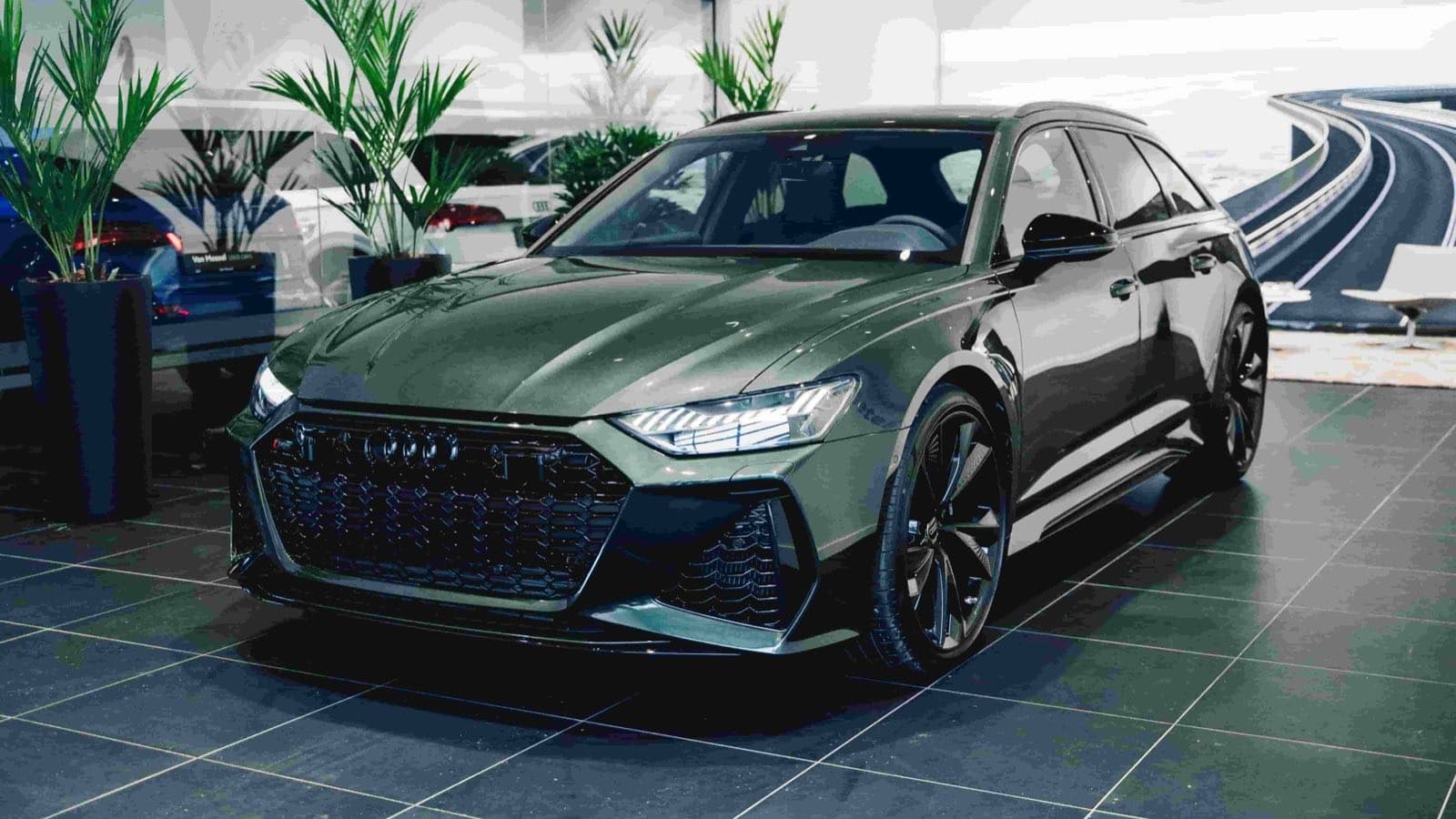
Importing an Audi RS6 from Germany: The Real Penalty Tax (Malus) Calculation (2026 Guide)
The real price gap, a deep market, and above all the penalty tax calculation that makes or breaks the deal: the complete guide to importing an Audi RS6 from Germany in 2026 without falling into the tax trap.
Importing a BMW M3 or M4 from Germany: Price, Penalty Tax, Pitfalls (2026 Guide)
The real price gap, hard-to-find configurations, and above all the actual penalty tax calculation on an M3/M4: the complete guide to importing a BMW M car from Germany in 2026 without any bad surprises.
2026 Penalty Tax on a Car Imported from Germany: What Actually Applies
CO2 penalty tax, weight tax, the so-called 'retroactive penalty tax': separating fact from fiction for 2026. How the penalty tax is really calculated on an imported used car — and the two misconceptions that cost buyers dearly.