

Germany Car Import Price Guide 2026: Full Cost Breakdown by Model and Brand
How much does a BMW, Porsche, Audi or Mercedes really cost in Germany vs. France? A detailed price guide with real price gaps for 25 popular models in 2026.

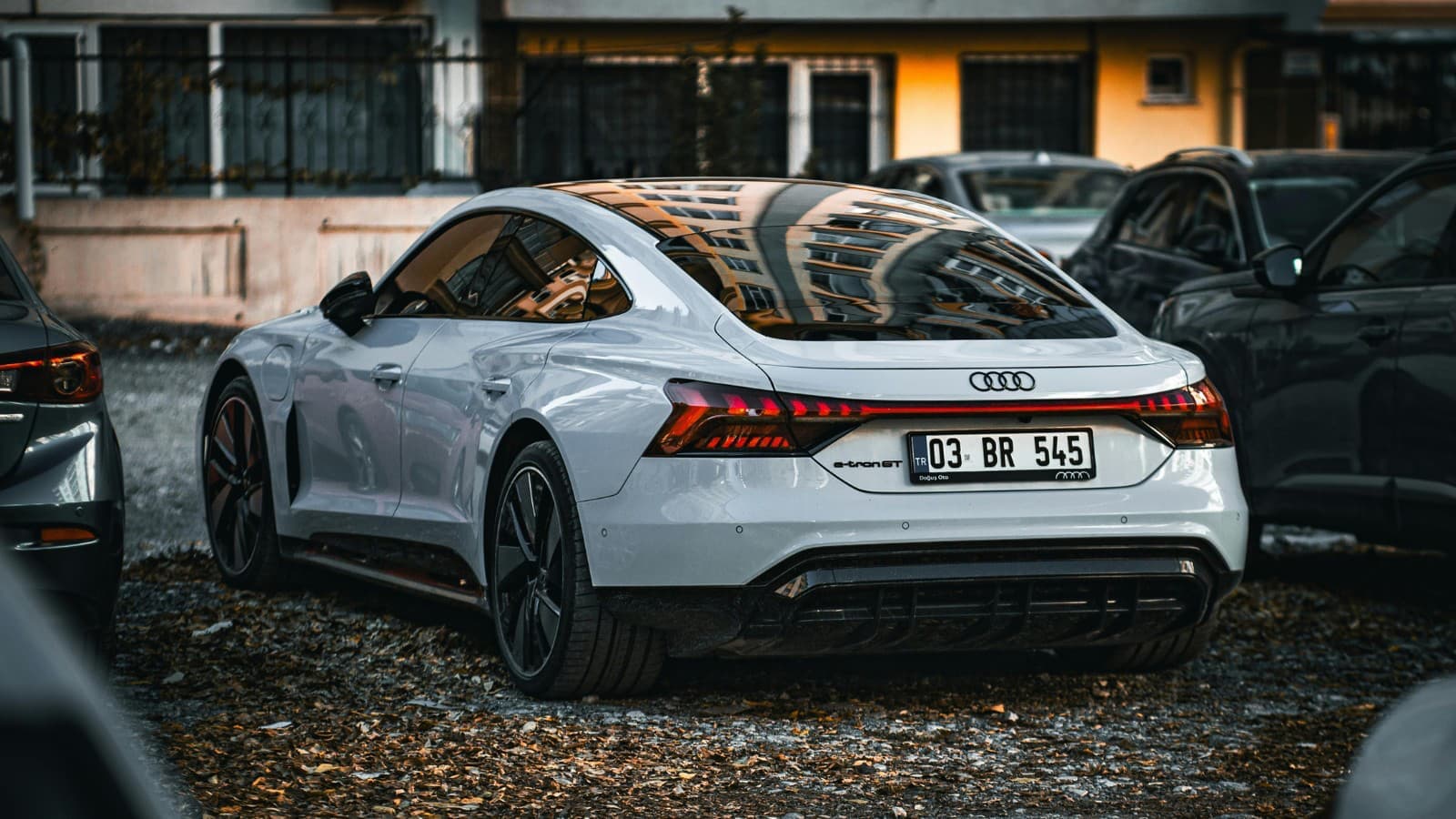
Why are premium cars 15 to 22% cheaper in Germany than in France? And more importantly: how much exactly, model by model?
This guide brings together real market prices observed in 2026 across 25 popular used models, with the precise France-Germany price gap for each. All the data comes from the transactions we track daily at Auto M Import — not theoretical figures from a generic comparison site.
Why such a price gap between Germany and France?
This gap isn't a short-term anomaly — it's structural. Three main factors drive it.
1. A market 4 times deeper
Germany has 47 million registered vehicles against 39 million in France, with twice as many used-car transactions per year (12 million vs. 6 million). More listings, more competition between sellers — and prices get pulled down.
2. Faster turnover among private owners
Germans replace their car on average every 4 to 5 years. The French: every 7 to 8 years. The result: the German premium used-car pool is younger (so more expensive in absolute terms) but far more abundant (so cheaper relatively).
3. A "registration tax" effect that simply doesn't exist
In France, the regional vehicle registration (carte grise) tax can reach €1,500 to €2,000 on a premium vehicle (depending on fiscal horsepower and region). Since this cost gets built into the new price and amortized at resale, it structurally inflates used-car prices on the French side.
The cost breakdown by segment
Premium sedans
| Model | Year | Mileage | France market price | Germany market price | Gap |
|---|---|---|---|---|---|
| BMW 3 Series 320d M Sport | 2023 | 25,000 | €42,500 | €36,000 | -15% |
| BMW 5 Series 530e | 2022 | 38,000 | €51,000 | €43,000 | -16% |
| Audi A4 40 TDI S-line | 2023 | 28,000 | €44,000 | €37,500 | -15% |
| Audi A6 50 TDI quattro | 2022 | 45,000 | €54,500 | €45,500 | -17% |
| Mercedes C-Class 220d AMG Line | 2023 | 22,000 | €47,000 | €40,000 | -15% |
| Mercedes E-Class 220d | 2022 | 50,000 | €52,000 | €43,500 | -16% |
Sports models and "M / RS / AMG"
| Model | Year | Mileage | France market price | Germany market price | Gap |
|---|---|---|---|---|---|
| BMW M2 Competition | 2022 | 28,000 | €64,000 | €53,500 | -16% |
| BMW M3 Competition | 2022 | 35,000 | €75,000 | €62,000 | -17% |
| BMW M5 Competition | 2022 | 32,000 | €105,000 | €86,000 | -18% |
| Audi RS3 Sportback | 2023 | 18,000 | €79,000 | €65,500 | -17% |
| Audi RS6 Avant | 2023 | 18,000 | €145,000 | €118,000 | -19% |
| Mercedes-AMG C63 S | 2022 | 30,000 | €95,000 | €78,500 | -17% |
| Mercedes-AMG E63 S | 2022 | 38,000 | €118,000 | €96,000 | -19% |
| Mercedes-AMG G63 | 2023 | 22,000 | €235,000 | €195,000 | -17% |
Premium SUVs
| Model | Year | Mileage | France market price | Germany market price | Gap |
|---|---|---|---|---|---|
| BMW X3 xDrive30d M Sport | 2023 | 25,000 | €62,000 | €53,000 | -15% |
| BMW X5 xDrive45e | 2022 | 38,000 | €78,000 | €67,000 | -14% |
| BMW X6 M Competition | 2022 | 32,000 | €138,000 | €113,000 | -18% |
| Audi Q5 50 TDI S-line | 2023 | 28,000 | €58,000 | €50,000 | -14% |
| Audi Q7 60 TFSIe | 2022 | 42,000 | €82,000 | €70,000 | -15% |
| Mercedes GLC 300d AMG Line | 2023 | 25,000 | €64,000 | €55,000 | -14% |
| Mercedes GLE 53 AMG | 2022 | 38,000 | €112,000 | €93,500 | -17% |
Supercars and prestige vehicles
| Model | Year | Mileage | France market price | Germany market price | Gap |
|---|---|---|---|---|---|
| Porsche 911 Carrera | 2022 | 18,000 | €125,000 | €103,000 | -18% |
| Porsche 911 Carrera S | 2022 | 22,000 | €145,000 | €119,000 | -18% |
| Porsche 911 Turbo | 2022 | 15,000 | €215,000 | €175,000 | -19% |
| Porsche Taycan Turbo | 2022 | 28,000 | €138,000 | €113,000 | -18% |
| Audi R8 V10 Performance | 2022 | 20,000 | €198,000 | €159,000 | -20% |
The factors that make the gap vary
The Germany-France gap isn't a constant. It depends on 4 main parameters.
1. The vehicle segment
The higher up the range you go, the bigger the gap:
- Mainstream / family sedans: -8 to -12% (moderate gap)
- Premium: -12 to -17%
- Sport / Performance: -15 to -19%
- Supercars / Luxury: -18 to -22%
Why? The rarer a vehicle is in France, the more demand outstrips supply, and the more dealership prices climb artificially. On the German side, supply stays abundant even for rare models, so the price stays reasonable.
2. Configuration (factory options)
German-market vehicles typically leave the factory better equipped. Take a BMW 5 Series:
- A "standard" French-market model often has fewer packages than the same German-market model
- At equivalent options (leather, heated seats, Pro Pack, etc.), the price gap can reach +25% in favor of the German import
3. Seasonality
Prices move throughout the year:
- January-March: lowest prices (dealerships clear stock after the holidays)
- April-June: prices climb back up (convertible and sports-car season)
- July-August: summer lull (vacation period)
- September-December: moderate rebound
If you can wait, targeting an import in February-March maximizes your chances of a good deal.
4. Mileage and service history
The gap widens even further on vehicles with a complete manufacturer service record (highly valued in Germany). Conversely, a vehicle with an unclear history sells for noticeably less — which is also where the good deals and the pitfalls hide.

Calculating the real landed price in France
The purchase price isn't the whole story. To honestly compare a German import against buying in France, you need to add the import costs:
| Item | Typical cost |
|---|---|
| Physical inspection | €300 - €700 |
| Flatbed transport Germany to France | €800 - €1,800 |
| European certificate of conformity | €100 - €250 |
| French vehicle registration (carte grise) | €500 - €1,800 (depending on fiscal horsepower) |
| Roadworthiness test + plates | €100 - €150 |
| Broker fees (if applicable) | €1,500 - €4,500 |
Total import costs: roughly €3,500 to €7,500 depending on the service chosen. For the line-by-line breakdown, see our complete guide to import costs.
Real-world example: BMW M3 Competition 2022
| Scenario | Detail | Total |
|---|---|---|
| Bought in France (dealership) | €75,000 + €1,050 registration | €76,050 |
| Self-managed import | €60,000 + €3,800 in costs | €63,800 |
| Import via professional broker | €60,000 + €6,200 in costs (including €2,800 in fees) | €66,200 |
Savings via self-managed import: €12,250 (16%) Savings via professional broker: €9,850 (13%)
The €2,400 gap between the two scenarios corresponds to the broker's fees. But this gap is largely offset by:
- No hidden-defect risk (systematic inspection)
- Time saved (5-8 weeks vs. 12-16 doing it yourself)
- Administrative peace of mind
- Expert negotiation that often secures an extra 2 to 4% on the German side
On top of these price gaps, don't forget to factor in the penalty tax (malus) — often more moderate than people assume on a used vehicle — and, if you choose to delegate the process, how to properly select your broker.
The models where importing is genuinely worth it
Not every vehicle is worth the effort. Here's the simple rule.
Definitely worth importing
- Every BMW M / Audi RS / Mercedes-AMG: 16-19% gap, plus factory options and pristine service records
- Every Porsche 2-5 years old: 17-20% gap, a very liquid market in Germany
- Premium SUVs 5 years old or less: 14-18% gap, vast range of configurations
- Premium sedans 2-3 years old: 12-17% gap, superior maintenance quality
Worth calculating case by case
- Premium sedans 5+ years old: 8-12% gap, sometimes marginally worthwhile
- Premium compacts (BMW 1 Series, Audi A1, Mercedes A-Class): 8-10% gap, low profitability
- Hybrids: less liquid market in Germany, variable gap
Best avoided
- Vehicles under €18,000: the absolute gap (€1,500-€2,500) doesn't offset the import costs
- French brands (Peugeot, Renault, Citroën): similar prices on both sides, sometimes more expensive in Germany
To go further, we've ranked the best cars to import from Germany in 2026 — the models that are genuinely worth it, the ones to watch for on the penalty tax front, and the pitfalls to avoid.
The brands where the gap is most pronounced
Our 2026 observations on the most frequently imported brands:
- Porsche: average gap -18% (up to -22% on rare models)
- BMW (M models): average gap -17%
- Mercedes (AMG): average gap -17%
- Audi (RS): average gap -18%
- Land Rover (Range Rover Sport / Velar): average gap -14%
- Maserati / Aston Martin: gap -16 to -22% but a narrower market
The smallest gaps: non-premium Volkswagen, Skoda, Seat — often less than 8%.
In summary
The purchase price of a premium car in Germany is consistently 12 to 20% lower than the French market in 2026, depending on the segment and model.
Once import costs are added (€3,500 to €7,500), the net savings land between 8 and 16% of the France market price. On a €60,000 vehicle, that's €5,000 to €9,600 in net savings.
Importing is almost always worthwhile above €30,000, and consistently very worthwhile above €60,000.
To get the exact price for your target vehicle — brand, model, year, mileage — use the simulator below. In 30 seconds you'll get the France market price, the Auto M Import price, and the real savings for you.
To go further, also check out our detailed guide to import costs (every cost line itemized) or the complete guide to importing a car from Germany (every step of the process).

Importer of premium vehicles from Europe to France and Switzerland. Specialist in sourcing, negotiation and administrative formalities.
Contact Maxime
The Best Cars to Import from Germany in 2026 (Ranked)
Which premium models are genuinely worth importing from Germany in 2026? Our logic-driven ranking — the no-brainers, the hard-to-find configurations, the anti-penalty-tax weapon, and the traps to avoid at all costs.

How Much Does It Really Cost to Import a Car from Germany in 2026? The Complete Breakdown
Every real cost of importing a car from Germany, broken down line by line: purchase price, inspection, transport, paperwork, and broker fees. With 3 fully transparent worked examples for a BMW, a Porsche, and an Audi.
Importing a Car from Germany to France in 2026: The Complete Guide (Price, Process, Timeline)
Everything you need to know before bringing a vehicle in from Germany: the real costs, the administrative process, realistic timelines, and the pitfalls to avoid.