

Importing a Car from Germany to France in 2026: The Complete Guide (Price, Process, Timeline)
Everything you need to know before bringing a vehicle in from Germany: the real costs, the administrative process, realistic timelines, and the pitfalls to avoid.

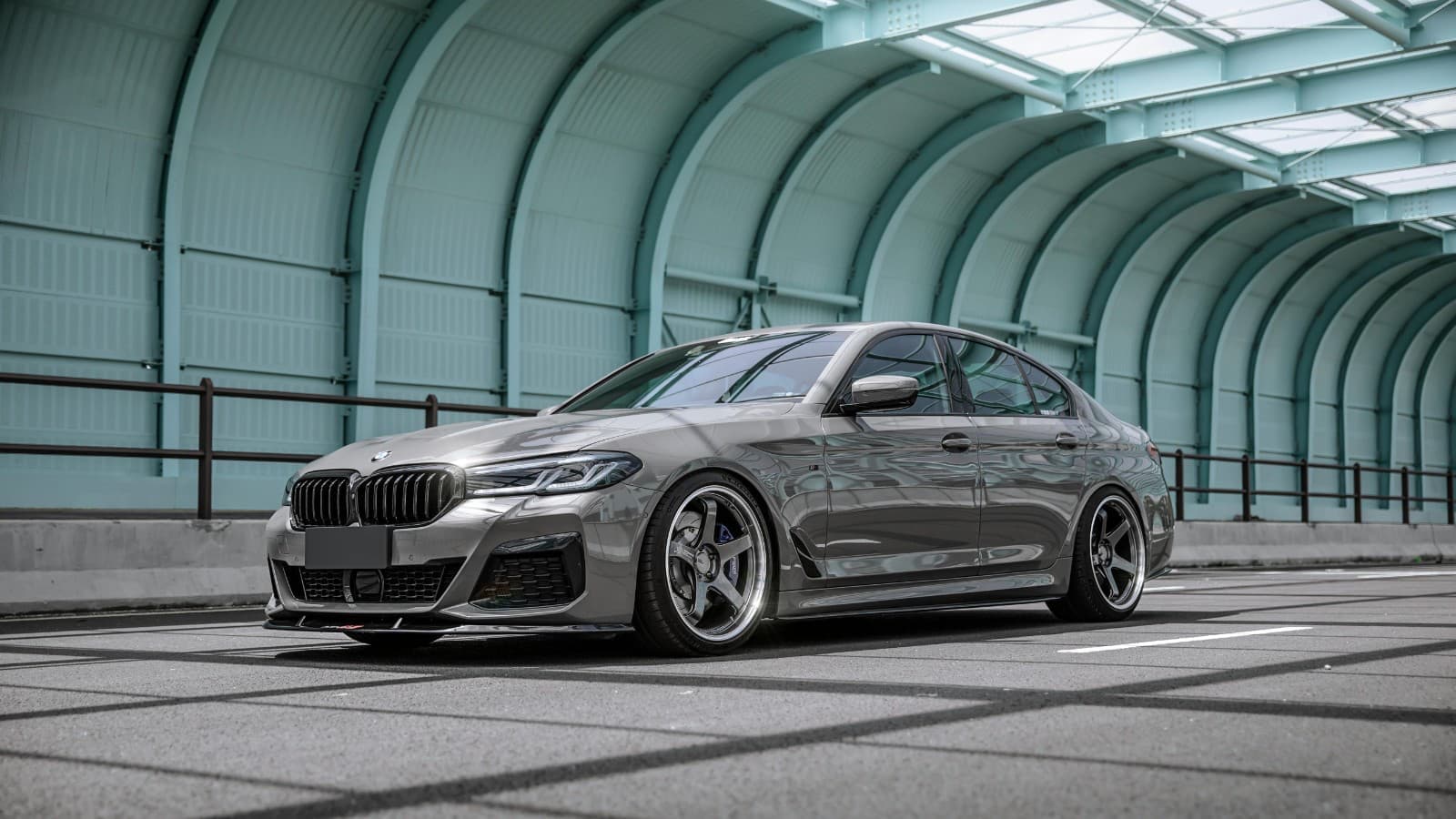
Importing a car from Germany is today one of the best ways to buy a premium vehicle 15 to 20% cheaper than in France, often with configurations you simply won't find on the French market. But between sourcing, negotiation, the tax clearance certificate, the registration document, and transport, the journey can quickly turn into a maze.
This complete guide walks you through step by step how to import a vehicle from Germany in 2026: the real prices, the administrative process, the timelines, and the pitfalls that cost 90% of solo buyers time and money.
Why Import a Car from Germany Instead of Buying in France
The German car market is the largest in Europe and offers structural advantages the French market simply cannot match.
Prices 15 to 20% Lower on Premium Vehicles
The price gap between France and Germany on premium used vehicles (BMW M, Mercedes-AMG, Audi RS, Porsche, Range Rover) is structural, not cyclical. Three main reasons:
- The German market is deeper: more listings, faster turnover, more competition between sellers → prices pulled downward
- German taxation is different: lower registration taxes, which carries through to resale prices
- German private owners change cars more often: a large supply of recent, low-mileage vehicles
For a used 2022 BMW M3, expect around 75,000 € at a French dealership versus 62,000 € on the German market, before import costs. That's a 13,000 € gap — most of which stays in the buyer's pocket even after all fees.
Configurations You Won't Find in France
The other major reason: German vehicles come better equipped from the factory. The German market favors premium packs and manufacturer options, while France tends toward stripped-down configurations to keep catalog prices low.
In practice, in Germany you'll find:
- Performance / Competition / Track packs absent from the French market
- More consistently available leather / Alcantara interior finishes
- Better-maintained manufacturer service records
- Transparent histories (Germans document everything)
The 4 Steps of Importing from Germany
Importing a vehicle isn't just a matter of "going to pick it up." It's a process with 4 distinct steps, each carrying its own specific pitfalls.
Step 1 — Sourcing: Finding the Right Vehicle
Sourcing is the most time-consuming and riskiest step. German platforms (mobile.de, AutoScout24) list hundreds of thousands of listings, but also plenty of fraudulent or misleading ones.
The reliable sources:
- Authorized premium dealerships: the best vehicles land here as trade-ins, often before they're even listed
- A network of local import agents: access to pre-qualified stock never published on public platforms
- Sales from experienced private owners (Sammler, collectors): meticulously kept cars with a complete history
- Specialized platforms (mobile.de Premium, AutoScout24 Top Inserate) for advanced filtering
Steer clear of: listings that seem too good to be true (often scams), vehicles with no documented history, and cars sold "urgently" by their owner (a red flag).
Step 2 — The Physical Inspection
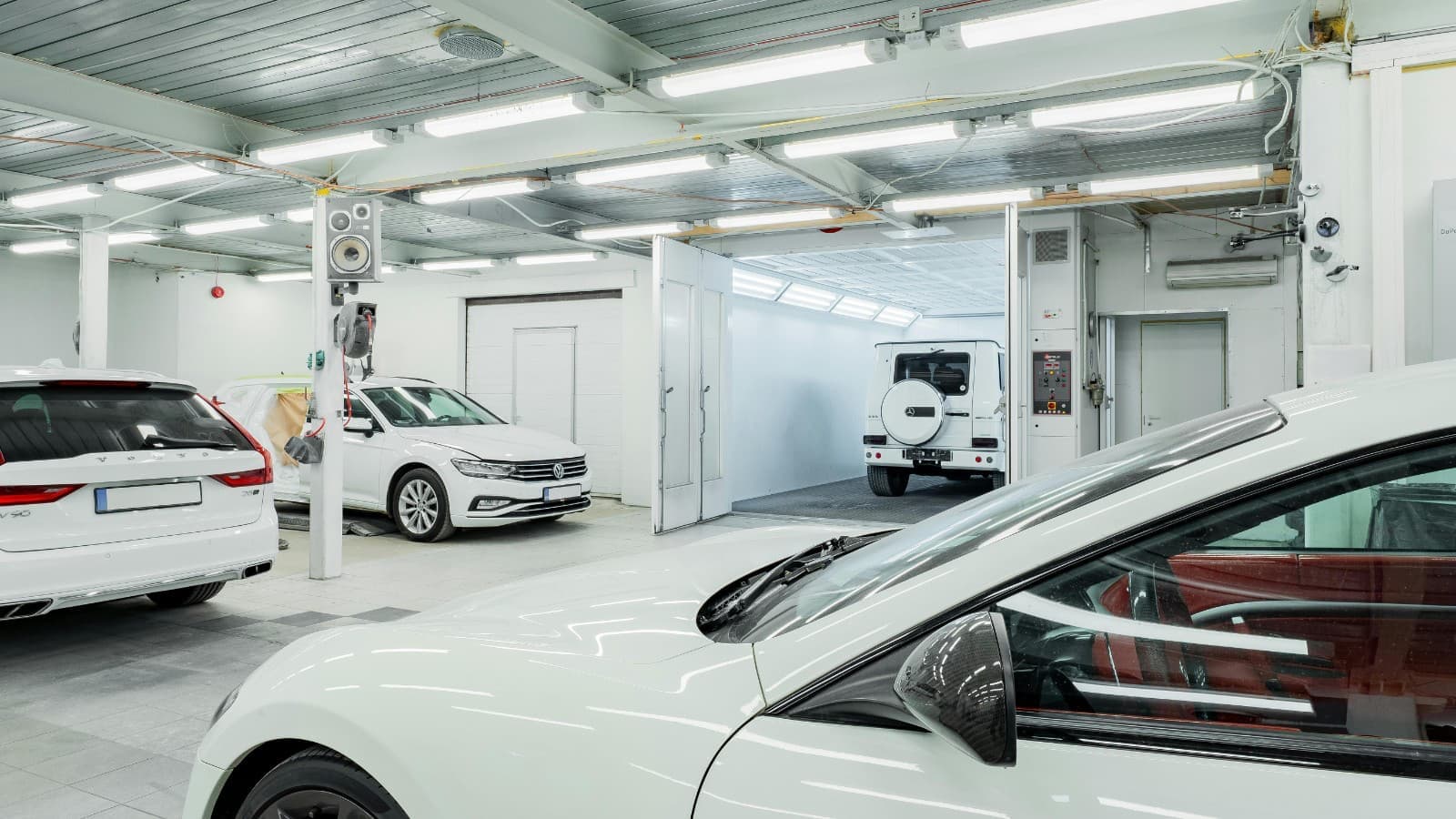
This is the non-negotiable step that 90% of private buyers skip for lack of time or resources. Without a physical inspection, you're buying blind.
A real inspection includes:
- Bodywork check (impacts, repainted panels, repair traces)
- Mechanical inspection: engine, transmission, brakes, suspension
- Verification of the actual mileage (odometer, service book, digital history)
- Review of the manufacturer service book (services performed, parts replaced)
- Full road test (cold behavior, warm behavior, highway, city)
- Electronic diagnostics (reading historical fault codes)
Cost of a professional on-site inspection: 300 to 600 € depending on the brand and region. It's the best-value investment in the entire import process.
Step 3 — Negotiation
Negotiation in Germany follows different rules than in France. German sellers are direct, rational, and stick to their prices, but real room to negotiate does exist — you just need to know how to unlock it.
What actually works:
- Immediate cash payment (or pre-approved financing): typically -3 to -5%
- Specific defects identified during inspection: -500 to -2,000 € depending on severity
- No trade-in (you're not bringing a vehicle in exchange): valued by dealerships
- Deep market knowledge: citing 3 comparable vehicles elsewhere brings the price down
On the other hand, what does not work:
- Haggling on principle (Germans find it rude)
- Bluffing about other offers (they check)
- Trying to stall for time (they'll pull the listing and you'll lose the vehicle)
Step 4 — Import and the Administrative Process
This is the most technical part. Once the vehicle is purchased, you need to:
- Collect the German documents: Fahrzeugbrief (German registration certificate, Part II) + Fahrzeugschein (Part I) + service book
- Obtain the tax clearance certificate (quitus fiscal) from the French tax office (VAT already paid within the EU, so no VAT due in France)
- Apply for the French registration document through ANTS (online)
- Pass the roadworthiness test if the vehicle is more than 4 years old
- Get the French license plates and have them fitted
- Take out insurance in the new owner's name
Total time for the process: 3 to 4 weeks if everything is in order, up to 8 weeks in case of complications (a missing document, an error on the tax clearance certificate, etc.).
How Much Does It Really Cost to Import a Car from Germany?
It's the question everyone asks. Here's a transparent, itemized example for a 2022 BMW M3 Competition sold for 62,000 € in Germany:
| Item | Amount |
|---|---|
| Purchase price in Germany (negotiated) | 60,000 € |
| On-site physical inspection | 450 € |
| Transport Germany → France (flatbed truck) | 1,200 € |
| Tax clearance certificate (free, but paperwork) | 0 € |
| French registration document | 1,100 € |
| Roadworthiness test + plates | 80 € |
| Import agent fees (if applicable) | variable |
| Total excluding fees | 62,830 € |
Compare that with the French dealership price for the same vehicle: ~75,000 €. Net savings for the buyer: ~12,000 €, even when going through a professional. For a line-by-line breakdown of every cost, see our complete guide to import costs; and for price gaps by model, our 2026 Germany price guide.
The Administrative Process in Detail
Many buyers are tempted to go it alone. It's doable, but you need to be rigorous and patient. Here are the pitfalls to avoid at each stage.
The Tax Clearance Certificate (Quitus Fiscal)
An essential document: it proves to the French authorities that VAT has already been paid within the EU (so no VAT is due again in France).
- Where to get it: the Service des Impôts des Entreprises (SIE) covering the buyer's place of residence
- Timeline: 1 to 3 weeks in theory, up to 6 weeks in some overloaded regions
- Documents required: German purchase invoice, German registration certificate, European certificate of conformity, passport
- Cost: free
Common pitfall: an incorrectly formatted German invoice (missing the seller's intra-EU VAT number) will immediately block the application. Check everything before leaving Germany.
The French Registration Document
- Where to apply: ANTS (Agence Nationale des Titres Sécurisés), online only
- Timeline: 5 days to 4 weeks depending on demand
- Cost: varies by tax horsepower and department (expect 800 to 1,500 € for a BMW M3, for example)
- Documents: tax clearance certificate, German registration certificate, European certificate of conformity, roadworthiness test, proof of address, driver's license
Common pitfall: an error on the European certificate of conformity (wrong number, outdated version). Request it from the manufacturer through your local dealership — it costs around 100 to 200 € but is mandatory.
For certain vehicles, this stage also brings in the ecological penalty tax (malus) — often far more moderate than people assume on a used car, since it depends on the date of first registration. We've dedicated a full guide to it: the 2026 penalty tax on an imported car.
The Roadworthiness Test
Mandatory if the vehicle is more than 4 years old at the time of import. This must be done before applying for the French registration document.
- Cost: 75 to 90 €
- Timeline: immediate (1 hour on-site)
The Real Timelines: How Long to Plan For
This is the other blind spot for buyers going it alone. Here are the realistic timelines observed across the 18 vehicles imported by Auto M Import:
| Phase | Average Time |
|---|---|
| Vehicle sourcing | 1 to 3 weeks |
| Inspection + negotiation | 3 to 5 days |
| Purchase + document collection | 2 to 4 days |
| Transport Germany → France | 5 to 10 days |
| Tax clearance + registration document | 3 to 4 weeks |
| Total | 5 to 8 weeks |
Buyers who go it alone take an average of 12 to 16 weeks — sometimes longer if complications arise. The gap comes down to a lack of experience at every step (particularly the administrative process) and no local network to draw on.
Doing the Import Yourself vs. Using a Professional
This is the real question. Importing on your own is theoretically possible, but you need to know what you're getting into.
Going It Alone: Who Is It For?
- You speak fluent German
- You can free up 3 to 5 days in Germany for sourcing and inspection
- You have technical knowledge of vehicles (mechanics, history, manufacturer options)
- You have the time to handle the French administrative process (often 20 to 30 cumulative hours)
- You accept the financial risk of the unexpected (a hidden defect, a missing document)
If all these criteria are met, a self-managed import can make sense. If not, the math is quick to do: the fee you'd save by not using an import agent is easily outweighed by the risk of a mistake and the time invested. We've dedicated a full comparison to this choice: buying it yourself vs. using an import agent.
Using a Specialized Import Agent
A car import agent specialized in importing takes every step off your plate: sourcing, inspection, negotiation, transport, and the administrative process. You only sign at delivery.
The advantages:
- No paperwork on your end
- Systematic physical inspection: zero risk of a hidden defect
- A network of partners: access to vehicles you won't find on public platforms
- Time saved: 5 to 8 weeks instead of 12 to 16
- Administrative timelines under control: deep familiarity with the SIE and ANTS
Fees vary (flat rate or percentage), but in 100% of cases at Auto M Import, the savings negotiated on the vehicle comfortably cover the fee. You always come out ahead compared to the French dealership price. To learn how to tell a good professional apart from an opportunistic reseller, read our 8 criteria for choosing an import agent.

The 5 Pitfalls to Avoid at All Costs
Finally, the recurring mistakes made by buyers who dive into an import without preparation:
- Buying without a physical inspection — this is practically a guarantee of a hidden defect that will wipe out your savings. Always, always inspect before you buy. It's also the best protection against scams when buying in Germany, from odometer fraud to fake sellers.
- Underestimating administrative timelines — assuming the registration document will arrive in 5 days and ending up stuck for 4 weeks unable to drive.
- Neglecting the European certificate of conformity — without it, there's no getting a French registration document. Request it before the purchase.
- Ignoring VAT and assuming you'll have to pay it again — you won't: if VAT has been paid within the EU, the tax clearance certificate is enough. Never pay twice.
- Choosing the wrong transporter — a sloppy convoy job adds mileage and sometimes damage. Always prefer a flatbed truck for premium vehicles.
In Summary
Importing a car from Germany in 2026 means:
- 15 to 20% in savings on premium vehicles compared to France
- Access to configurations absent from the French market
- 5 to 8 weeks of process if everything is well managed
- A technical administrative process: tax clearance certificate, registration document, roadworthiness test
- A significant time investment if you do it yourself
For vehicles starting at 30,000 €, importing is almost always worthwhile. For vehicles over 50,000 €, it's a financial no-brainer.
Live in Switzerland? The rules are different there — no French tax clearance certificate or penalty tax, but 8.1% VAT, a 4% automobile tax, and a cantonal inspection. It's all detailed in our guide to importing a car from Germany to Switzerland.
If you want to see what this looks like for your target vehicle — model, year, mileage, budget — use the simulator below. In 30 seconds you'll get the French market price, the Auto M Import price, and your potential savings.
And if you'd like to talk it through directly with Maxime, the contact form at the bottom of the page is the simplest way — a response within 24 hours, and a free assessment of your project.

Importer of premium vehicles from Europe to France and Switzerland. Specialist in sourcing, negotiation and administrative formalities.
Contact Maxime
How Much Does It Really Cost to Import a Car from Germany in 2026? The Complete Breakdown
Every real cost of importing a car from Germany, broken down line by line: purchase price, inspection, transport, paperwork, and broker fees. With 3 fully transparent worked examples for a BMW, a Porsche, and an Audi.
2026 Penalty Tax on a Car Imported from Germany: What Actually Applies
CO2 penalty tax, weight tax, the so-called 'retroactive penalty tax': separating fact from fiction for 2026. How the penalty tax is really calculated on an imported used car — and the two misconceptions that cost buyers dearly.

How to Import a Car from Germany to Switzerland: The Complete 2026 Guide
Customs, 8.1% VAT, 4% automobile tax, cantonal vehicle inspection, CO2 penalty: everything you need to know to import a premium vehicle from Germany to Switzerland in 2026, with real costs and the pitfalls to avoid.