

Importing a Porsche 911 from Germany: Price, Penalty Tax, Rare Configs (2026)
Europe's deepest market, configurations you simply can't find in France (manual gearbox, Paint To Sample, GT3), and the real penalty tax (malus) calculation: the complete guide to importing a Porsche 911 from Germany in 2026.

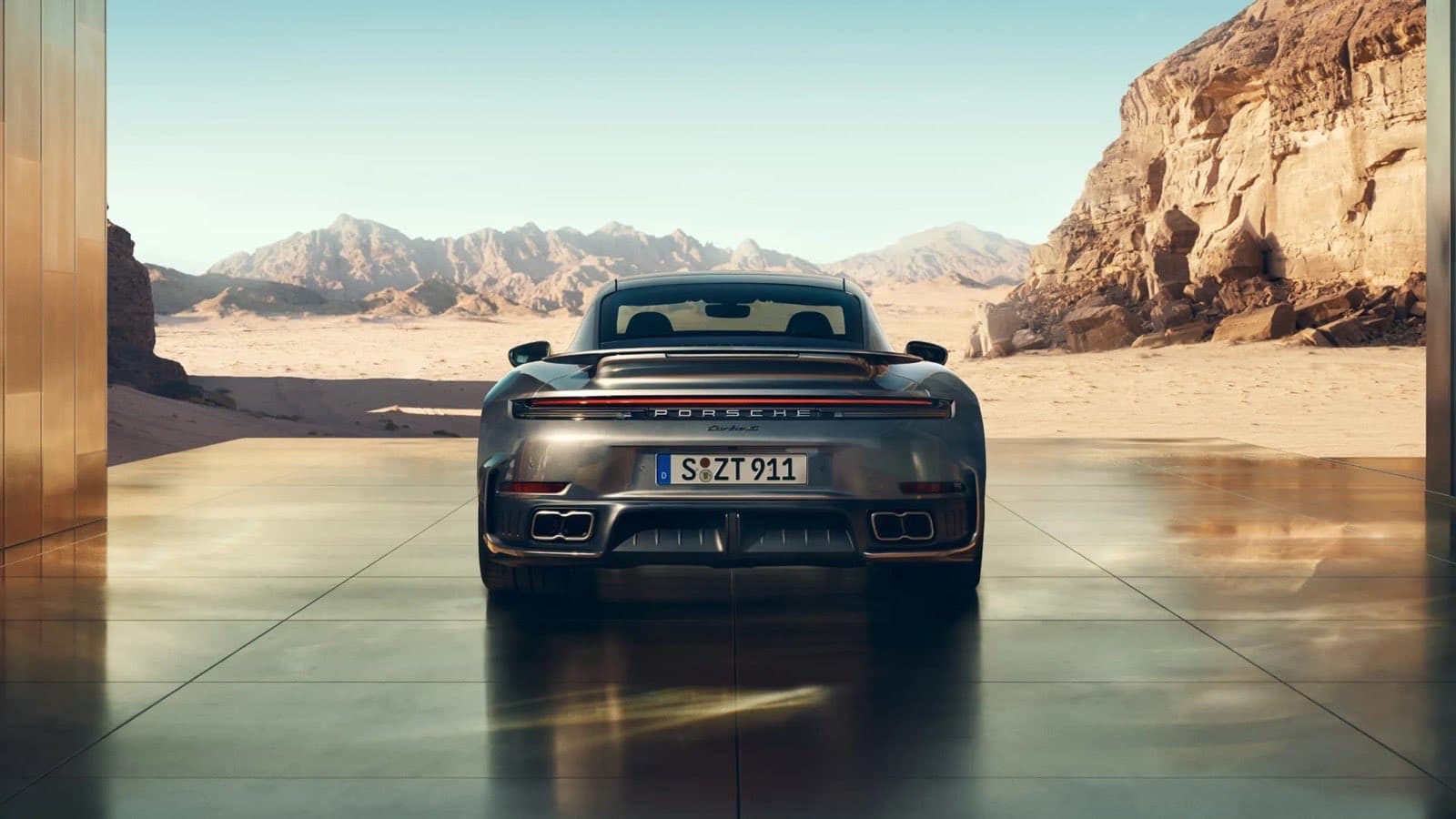
The Porsche 911 is arguably the car that best justifies an import from Germany — but not for the reason most people assume. The real argument isn't just the price: it's the choice. Here is the complete guide, without the marketing hype.
Why Import a 911 from Germany: Choice Before Price
Germany is Europe's deepest used-car market, and that's especially true for the 911. At any given moment, there are several thousand 911s listed for sale, compared to a few hundred in France: a stock roughly 5 to 10 times larger.
In practical terms, that means access to what France simply doesn't have in stock:
- The manual gearbox, rare and sought-after (often a 10 to 20% premium on value).
- The Paint To Sample (PTS) program — more than 160 off-catalog colors from the Porsche Exclusive Manufaktur.
- The GT3, GT3 RS, Turbo S, Sport Classic, Carrera T variants and special series.
A rare combination — say, a GTS with PTS and a manual gearbox — may exist in only a handful of examples: finding one in France is often close to impossible, while Germany offers several. This is the real point of importing: you don't import just to pay less, you import to find THE car.
For an overview of the most interesting models to import, see our ranking of the best cars to import from Germany.
The Price Gap, Without the Hype
You often read "911 -30% in Germany." That's the top of the range, on exceptional cases and before fees — not a promise. The more honest reality: a gap of around 15 to 18% on a comparable vehicle.
On a 911 worth more than 100,000 EUR, that still amounts to 10,000 to 20,000 EUR in net savings — significant, without needing to oversell it. Two nuances worth keeping in mind:
- Part of the gross gap isn't really a "deal" but a tax artifact: the French price of a combustion-engine 911 already includes the penalty tax (malus) paid when new. The DE/FR gap therefore partly reflects a tax already absorbed on the French side.
- On top of the purchase price come 8 to 15% in fees (transport, paperwork, registration, any applicable penalty tax) — to be calculated case by case.
The real gain should therefore always be measured with all fees and the penalty tax included, never on the sticker price. For gaps by model, see our 2026 Germany price guide.
The Penalty Tax: It Depends on the Version and Model Year
This is the point not to overlook. Every combustion-engine 911 emits well above the threshold that triggers the penalty tax cap: around 230-240 g of CO2/km for a Carrera, up to more than 300 g for a GT3. Brand new in 2026, they all therefore hit the 80,000 EUR cap.
But for an imported used car, it's the scale for the year of first registration that applies, along with an age-based reduction. And that changes everything.
Three reasons why the penalty tax on a 911 ranges from significant to manageable, or even zero:
- The model year drives everything. A recent 911 starts from a high cap with little reduction (a heavy penalty tax); a 911 that's 6 to 10 years old falls under an older scale and gets a 40 to 64% reduction (a far more digestible penalty tax); a 911 around 15 years old is fully exempt (like any vehicle first registered before 2015).
- The 991.1 (2012-2015) is homologated under NEDC: the CO2 figure on its certificate is lower than the WLTP figure on a 992 — a double downward effect (a softer number and an older year's scale).
- The 911 holds its value, so the "50% of price" cap almost never comes into play: it's the CO2 scale that drives the calculation.
It's therefore impossible to quote a figure in advance: it depends on the version, the exact CO2 rating, and the year. The only reliable number comes from the official simulator. The full mechanism is explained in our guide to the 2026 penalty tax on an imported car.
Which Generation to Choose
- 991 (2012-2019) and 992 (2019+) — the safest import targets: among the most reliable 911s ever built. The 991.2 (2016+) switches to the 3.0-liter twin-turbo flat-six, and the 992 is the most modern. Minor caveats on the 992: a few electronic/software glitches sorted out at the dealership.
- 997.2 (2009+) — the historic IMS bearing issue is resolved; "modern Porsche" reliability provided maintenance has been kept up.
- 996 / 997.1 — more affordable, but with known engine points of concern (IMS bearing, rear main seal, bore scoring). Best reserved for informed buyers with the service file in hand.
- The Mezger engines (GT3/Turbo from this period) don't have the IMS issue and are more reassuring, but they're expensive and worth watching closely in terms of usage.
What to Check Before Buying
On a car at this price level, checking it thoroughly isn't optional.
- Complete Porsche history — service book, invoices, mileage consistency across the dealer network. A clean file is worth real money on a 911.
- Pre-purchase inspection (PPI) — by a Porsche center or an independent specialist, typically 500 to 800 EUR (up to roughly 2,500 EUR for an in-depth examination). The best value-for-risk you'll find: accident detection, paint-thickness measurement, odometer anomalies.
- Odometer fraud — a real risk in Germany (the ADAC estimates up to a third of used cars are affected). Never trust the displayed figure alone: cross-check the dealer network history, TÜV inspections, and wear-to-mileage consistency. This is covered in detail in our article on scams when buying in Germany.
- Track use on GT3 / GT3 RS models — engine hours, track-day history, brakes and tires. A GT3 that's "never seen a track" commands a premium, and that claim needs to be backed up by the file.
- Value-adding options — Paint To Sample, Chrono package, bucket seats, PASM, manual gearbox. Ceramic brakes (PCCB) add value but are expensive to replace: check their condition.
The Import Process in Practice
Once the right 911 has been found and the penalty tax simulated, the rest follows the standard process: German documents, tax clearance, certificate of conformity, registration. It's all detailed in our complete guide to importing from Germany.
On a future collector's car like the 911, what's at stake isn't only financial: it's about securing authenticity and condition just as much as the price. This is precisely where a professional who inspects the car, verifies its history, and calculates the real penalty tax before the purchase makes the difference.
In Summary
- The real advantage: Europe's deepest market (5 to 10x more choice) and configurations you can't find in France (manual, PTS, GT3).
- Price gap: ~15 to 18% (not -30%), to be calculated with the penalty tax and fees included.
- The penalty tax: from significant (recent 911) to zero (a 911 around 15 years old) — the model year is decisive, and it must always be simulated.
- Reliability: focus on the 991/992; the 996/997 are more affordable but for informed buyers only (IMS, bore scoring).
- To check: Porsche history, PPI, genuine mileage, track use on the GT models.
Have a specific 911 in mind? Send us the listing: we'll tell you within 24 hours the real total cost, penalty tax included, and whether the configuration and the file are truly worth it.
Frequently asked questions
- How much can you save by importing a Porsche 911 from Germany?
- The real gap is around 15 to 18% on a comparable vehicle — not the -30% that some brokers advertise, which corresponds to exceptional cases before fees. In absolute terms, on a 911 worth more than 100,000 EUR, that still amounts to roughly 10,000 to 20,000 EUR in net savings. Part of the gross gap also reflects the penalty tax (malus) already built into the French price of a combustion-engine 911.
- Is the German 911 market really bigger than the French one?
- Yes, by a wide margin. At any given moment there are on the order of several thousand used 911s listed for sale, compared to a few hundred in France: a stock roughly 5 to 10 times deeper. It's Europe's deepest used-car market, and this is often the real reason to import — finding the exact version, color, and gearbox, not just paying less.
- What is the penalty tax (malus) on an imported Porsche 911 in 2026?
- Every combustion-engine 911 goes well above the threshold that triggers the penalty tax cap (their CO2 ranges from around 230 g for a Carrera to more than 300 g for a GT3). Brand new in 2026, they therefore all hit the 80,000 EUR cap. For an imported used car, it's the scale for the year of first registration that applies, with an age-based reduction: the penalty tax then ranges from significant (a recent 911) to zero (a 911 around 15 years old). It's impossible to give a figure without simulating the exact case.
- Should you import an older 911 (997) or a newer one (991/992)?
- The 991 (2012-2019) and 992 (2019+) generations are considered among the most reliable 911s ever built — the safest import target. The 996 and 997.1 are more affordable but come with known engine points of concern (IMS bearing, bore scoring): best reserved for informed buyers. Tax bonus: the 991.1 from 2012-2015, homologated under NEDC, has a lower CO2 rating and falls under an older scale, meaning a milder penalty tax (malus).
- What should you check before importing a Porsche 911?
- A complete Porsche service history, a pre-purchase inspection (PPI, typically 500 to 800 EUR, essential on a car at this price point), and mileage cross-checked against odometer fraud (common in Germany). On a GT3, always verify track use. And always simulate the penalty tax (malus), with the exact version and year, before committing.

Importer of premium vehicles from Europe to France and Switzerland. Specialist in sourcing, negotiation and administrative formalities.
Contact Maxime
The Best Cars to Import from Germany in 2026 (Ranked)
Which premium models are genuinely worth importing from Germany in 2026? Our logic-driven ranking — the no-brainers, the hard-to-find configurations, the anti-penalty-tax weapon, and the traps to avoid at all costs.
2026 Penalty Tax on a Car Imported from Germany: What Actually Applies
CO2 penalty tax, weight tax, the so-called 'retroactive penalty tax': separating fact from fiction for 2026. How the penalty tax is really calculated on an imported used car — and the two misconceptions that cost buyers dearly.
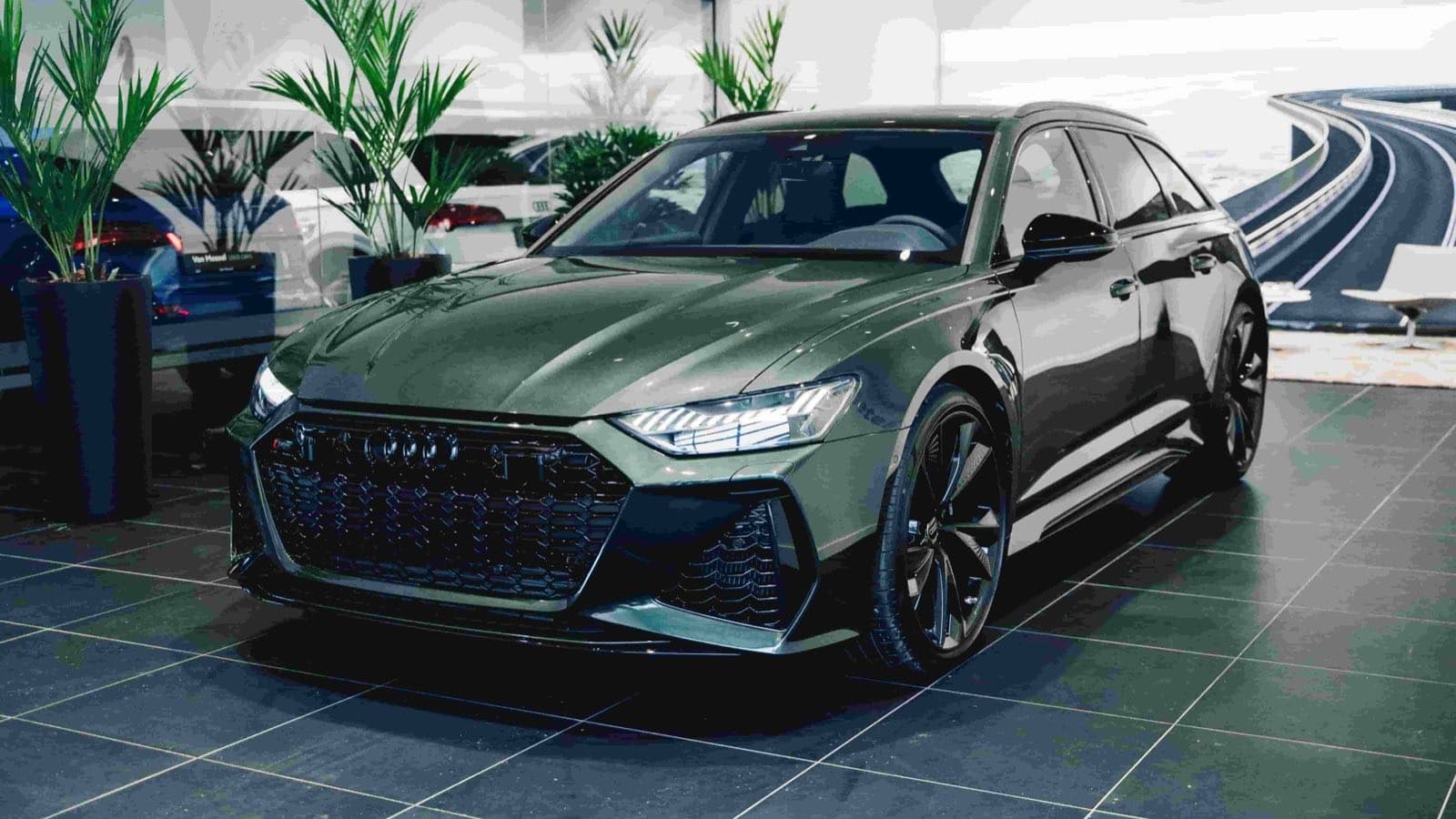
Importing an Audi RS6 from Germany: The Real Penalty Tax (Malus) Calculation (2026 Guide)
The real price gap, a deep market, and above all the penalty tax calculation that makes or breaks the deal: the complete guide to importing an Audi RS6 from Germany in 2026 without falling into the tax trap.