

Importing an Audi RS6 from Germany: The Real Penalty Tax (Malus) Calculation (2026 Guide)
The real price gap, a deep market, and above all the penalty tax calculation that makes or breaks the deal: the complete guide to importing an Audi RS6 from Germany in 2026 without falling into the tax trap.

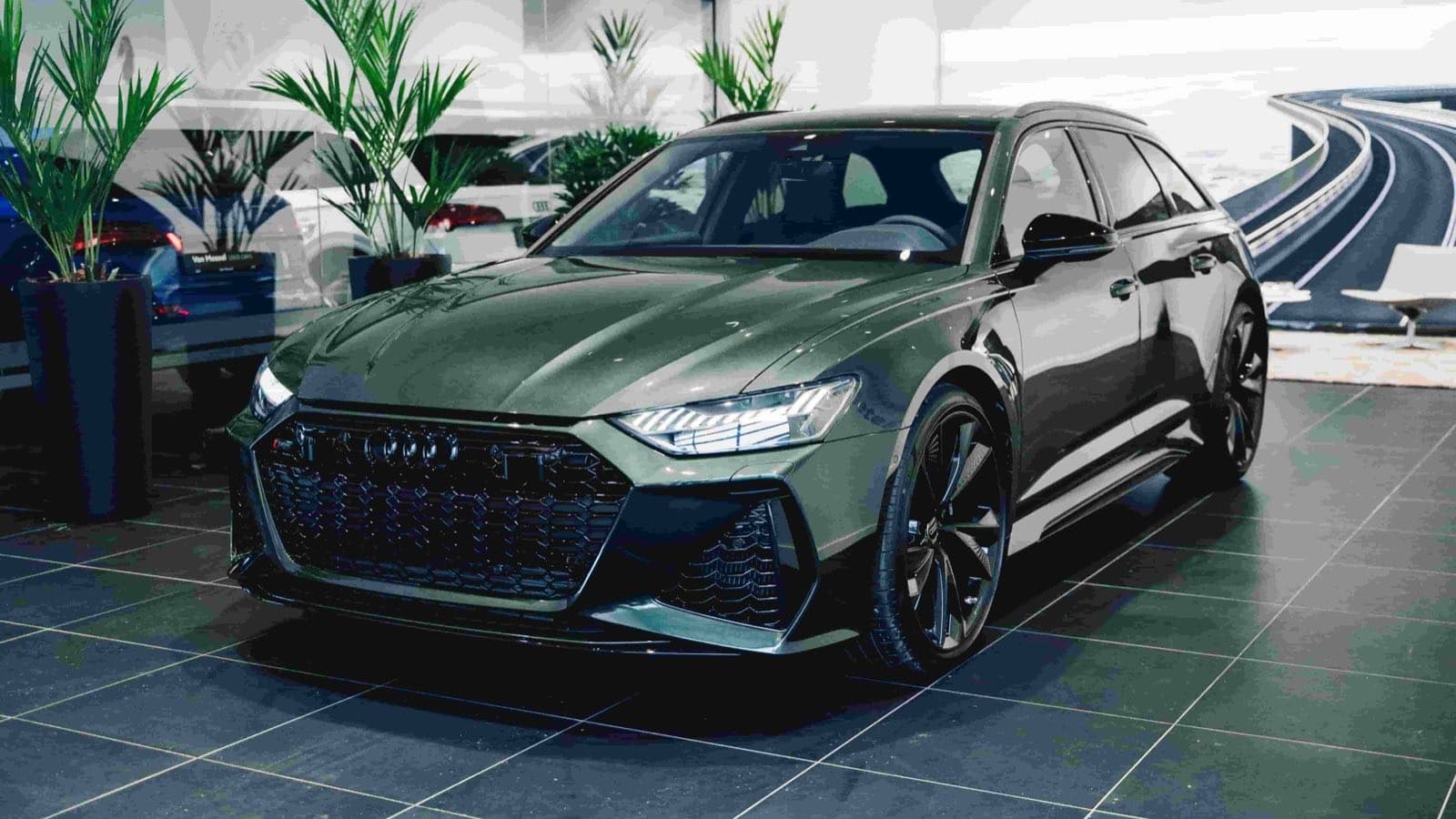
The Audi RS6 Avant is one of the most desirable sport wagons on the market — and one of the most imported from Germany. But it's also the textbook case of the tax trap: miscalculated, an imported RS6 can end up costing far more than expected. Here is the complete guide, built around the one figure that really matters: the penalty tax.
Why import an RS6 from Germany
The real argument, as is often the case, isn't primarily price — it's choice. At any given time, the German market shows around 800 RS6 listings, against barely 130 in France: that's 5 to 6 times more choice.
That means access to:
- The Performance (630 hp) version and the limited-run RS6 GT, both rare in France.
- Audi exclusive configurations (bespoke paint), carbon packs, carbon-ceramic brakes, forged wheels, and RS seats.
- A deep stock of the C8 generation (2020+) — the C7 (2013-2018), on the other hand, is becoming scarce on both sides of the border.
For an overview of the most interesting models to import, see our ranking of the best cars to import from Germany.
The price gap: the truth, not the marketing
You'll read everywhere that RS6s are "-30% in Germany." That's a marketing hook. It compares non-equivalent vehicles and, above all, ignores the penalty tax paid afterward at French registration.
The more honest reality: a gap in the range of 10 to 20% on a comparable vehicle, before fees and the penalty tax. Our internal reference — a 2023 RS6 Avant around 118,000 EUR in Germany versus ~145,000 EUR in France, or ~-19% — is consistent with that.
But that figure means nothing on its own: on an RS6, the penalty tax can absorb the entire gap. The real calculation is always German price + fees + penalty tax vs. turnkey French price. For gaps by model, see our 2026 Germany price scale.
The penalty tax: THE issue with an RS6
This is where it all plays out — and what most sellers stay quiet about.
A CO2 figure that maxes out the cap
The RS6's 4.0 TFSI V8 emits around 280 g of CO2/km (281 g for the Performance). The 2026 scale kicks in from 108 g/km and caps at 80,000 EUR from 192 g/km. So the RS6, whatever the recent version, sits at the maximum cap.
Brand new in 2026, an RS6 therefore takes the full 80,000 EUR penalty tax, no discount. (The weight tax, which its ~2,075 kg would otherwise trigger, adds nothing: the combined total is capped at the CO2 penalty tax, already at its maximum.)
For an imported used car, the model year changes EVERYTHING
Good news: on a used car, it's not the 2026 scale that applies, but the one for the year of first registration, with an age-based discount. Bad news for the RS6: since its CO2 maxes out the cap every single year, it always starts from the maximum of its model year.
In concrete terms, two opposite cases:
- A recent RS6 (C8, 2-3 years old) starts from a high cap with a small discount → the penalty tax stays in the range of several tens of thousands of euros.
- An older RS6 (C7, 2016-2018) starts from a much lower cap and gets a much bigger discount → the penalty tax becomes a fraction of the former.
Two warnings that make the difference
- "Exempt at 10 years" is FALSE since March 2025. The old rule — "-10% per year, exemption at 10 years" — was replaced by a discount scale in monthly brackets, with full exemption only reached around 15 years (181 months). Many listings still quote the old rule — be careful.
- The exact amount is unpredictable without a simulation. It depends on the precise CO2 figure, the year, and the discount, within a double limit (the year's cap and 50% of the price including tax). The only reliable figure comes from the official simulator, run with the specific listing in mind. The full mechanism is in our guide to the 2026 penalty tax on an imported car.
Which generation to choose: C7 or C8
- The C8 (2020+) — 600 or 630 hp (Performance), 48V mild-hybrid system, the most modern and the most widely available. But a heavy penalty tax on recent model years.
- The C7 (2013-2018) — 560 to 605 hp, rarer and becoming scarcer, but with a much gentler original scale and a favorable discount. Often the best compromise between fun and tax cost today.
So the choice isn't just a matter of taste: on an RS6, the generation and the year directly drive the tax bill.
Reliability and points to check
The RS6 is robust when properly maintained, but each generation has its own points of vigilance.
C8 generation (4.0 TFSI 600/630):
- Turbo oil lines — leaks on the 2020-2021 model years, subject to a recall. Check via the VIN.
- Air suspension — worth checking (sagging after a night parked); costly to replace.
- Brakes — wear quickly under spirited driving; if they're carbon-ceramic, replacement runs into five figures — check their condition.
- Oil consumption — 0.5 to 1 L per 5,000 km under sporty use, within tolerance but worth monitoring.
C7 generation (4.0 TFSI 560/605):
- Turbo oil strainer — can clog and cause turbo failure; subject to an Audi recall. This is the number one point of vigilance for this generation.
In every case: a complete Audi network service history, recalls checked against the VIN, and mileage cross-checked against the service book and TÜV reports to rule out odometer fraud.
The import process in practice
Once you've found the right RS6 and simulated the penalty tax, the rest follows the standard path: German documents, tax clearance, certificate of conformity, registration document. Everything is detailed in our complete guide to importing from Germany.
On a vehicle at this level — and with a penalty tax of this size — the slightest approximation gets expensive. This is exactly the kind of case where having a professional calculate the real penalty tax and inspect the vehicle before purchase pays for itself many times over.
In summary
- Price gap: ~10 to 20% (not -30%), to be calculated penalty tax included.
- The real advantage: 5 to 6 times more choice and rare configurations (Performance, GT, ceramic brakes).
- The penalty tax: the RS6 is the trap par excellence — its V8 maxes out the cap, the penalty tax runs into tens of thousands of euros on a recent one, but fades with age. The model year is decisive — simulating it is essential.
- Reliability: turbo oil lines (C8 2020-2021), turbo oil strainer (C7), air suspension and carbon-ceramic brakes to check.
Have an RS6 in your sights? Send us the listing: we'll tell you within 24 hours the real total cost, penalty tax included — and whether it's a genuine deal or a 50,000 EUR trap.
Frequently asked questions
- How much do you save by importing an Audi RS6 from Germany?
- The real gap on an equivalent vehicle runs around 10 to 20% before the penalty tax — not the -30% some brokers advertise, which compare different vehicle configurations and ignore the penalty tax paid afterward. On an RS6, this gap can be completely wiped out by the penalty tax at French registration if you don't pick the right model year. The real savings must always be calculated penalty-tax included.
- What is the penalty tax on an imported Audi RS6 in 2026?
- The 4.0 TFSI V8 emits around 280 g of CO2/km, well above the threshold that triggers the penalty tax cap. Brand new in 2026, an RS6 hits the 80,000 EUR cap outright. For an imported used vehicle, it's the scale for the year of first registration that applies, with an age-based discount: on a recent model, the penalty tax still runs to several tens of thousands of euros. You must simulate it on the official tool, with the exact CO2 figure and the vehicle's year, before any purchase.
- Why does the model year matter so much when importing an RS6?
- Because the penalty tax on an imported used car is calculated on the scale for the year of first registration, then discounted according to age. A recent RS6 starts from the maximum cap of its year with only a small discount: the penalty tax stays enormous. An older RS6 starts from a much lower cap and gets a much bigger discount: the penalty tax becomes a fraction of the former. On this model, choosing the right model year can mean a difference of tens of thousands of euros.
- Is it true that a car imported after more than 10 years is exempt from the penalty tax?
- No, not since March 1, 2025. The old rule — '-10% per year, full exemption at 10 years' — was replaced by a discount scale in monthly brackets, with full exemption only reached at 181 months, or roughly 15 years and 1 month. Many listings and brokers still quote the old rule: it's wrong, and it can cost you dearly.
- What reliability points should you check on an RS6 before importing it?
- On the C8 generation (2020+), check the turbo oil line recall on the 2020-2021 model years (via the VIN), the condition of the air suspension, and brake wear — especially if they're carbon-ceramic, which are very costly to replace. On the C7 (2013-2018), the critical point is the turbo oil strainer (Audi recall), which can cause turbo failure. In every case: a complete Audi network service history and verified mileage.

Importer of premium vehicles from Europe to France and Switzerland. Specialist in sourcing, negotiation and administrative formalities.
Contact Maxime
2026 Penalty Tax on a Car Imported from Germany: What Actually Applies
CO2 penalty tax, weight tax, the so-called 'retroactive penalty tax': separating fact from fiction for 2026. How the penalty tax is really calculated on an imported used car — and the two misconceptions that cost buyers dearly.
The Best Cars to Import from Germany in 2026 (Ranked)
Which premium models are genuinely worth importing from Germany in 2026? Our logic-driven ranking — the no-brainers, the hard-to-find configurations, the anti-penalty-tax weapon, and the traps to avoid at all costs.
Importing a BMW M3 or M4 from Germany: Price, Penalty Tax, Pitfalls (2026 Guide)
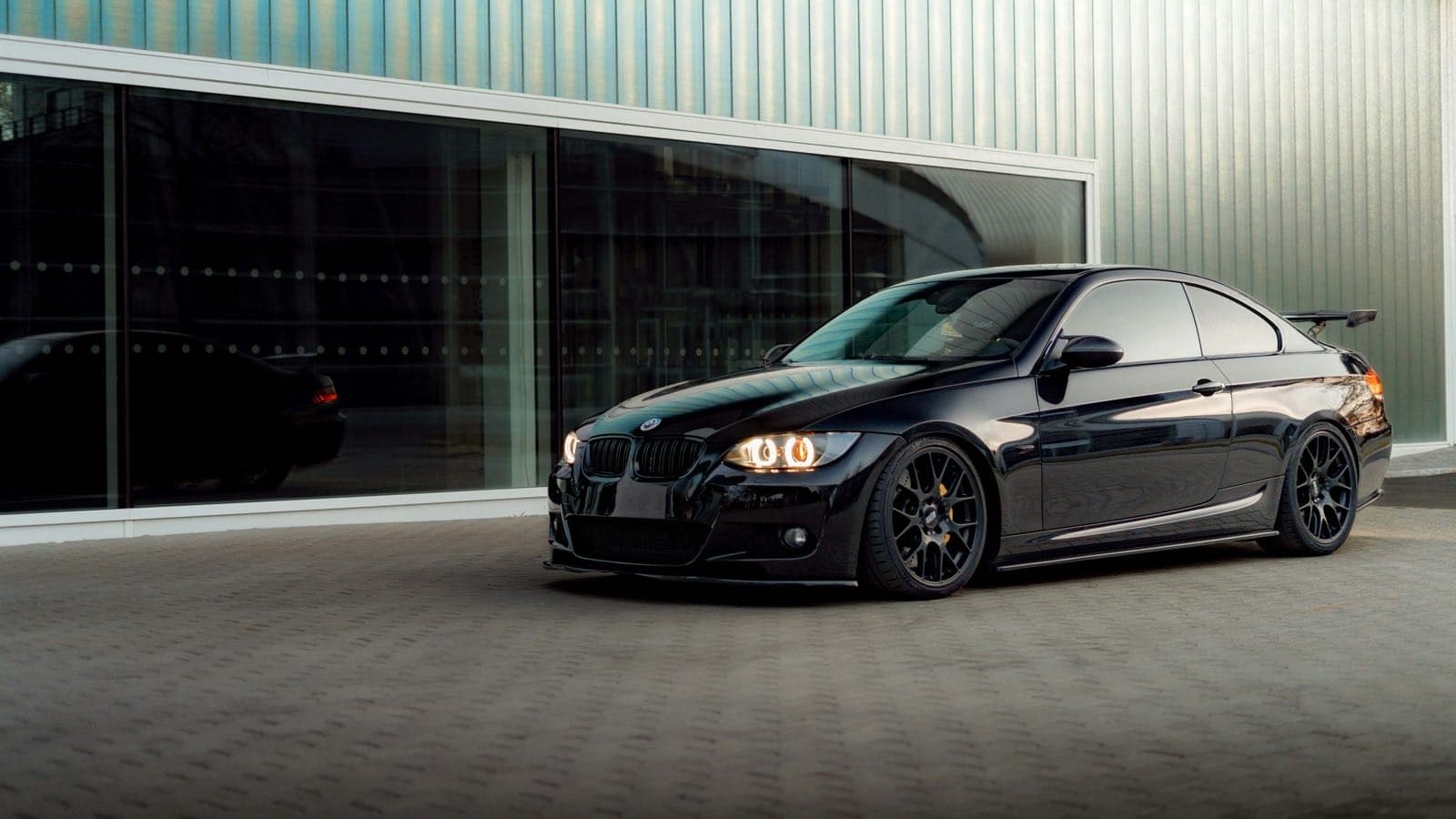
The real price gap, hard-to-find configurations, and above all the actual penalty tax calculation on an M3/M4: the complete guide to importing a BMW M car from Germany in 2026 without any bad surprises.