

Importing a Mercedes G-Class from Germany: G 63, G 450d, and the Penalty-Tax Trap (2026)
The G-Class is one of the most desired 4x4s — and one of the most heavily taxed to import. Which model to choose, at what price, and why the G 63 is often the worst penalty-tax case: the honest guide to importing a Mercedes G-Class from Germany in 2026.

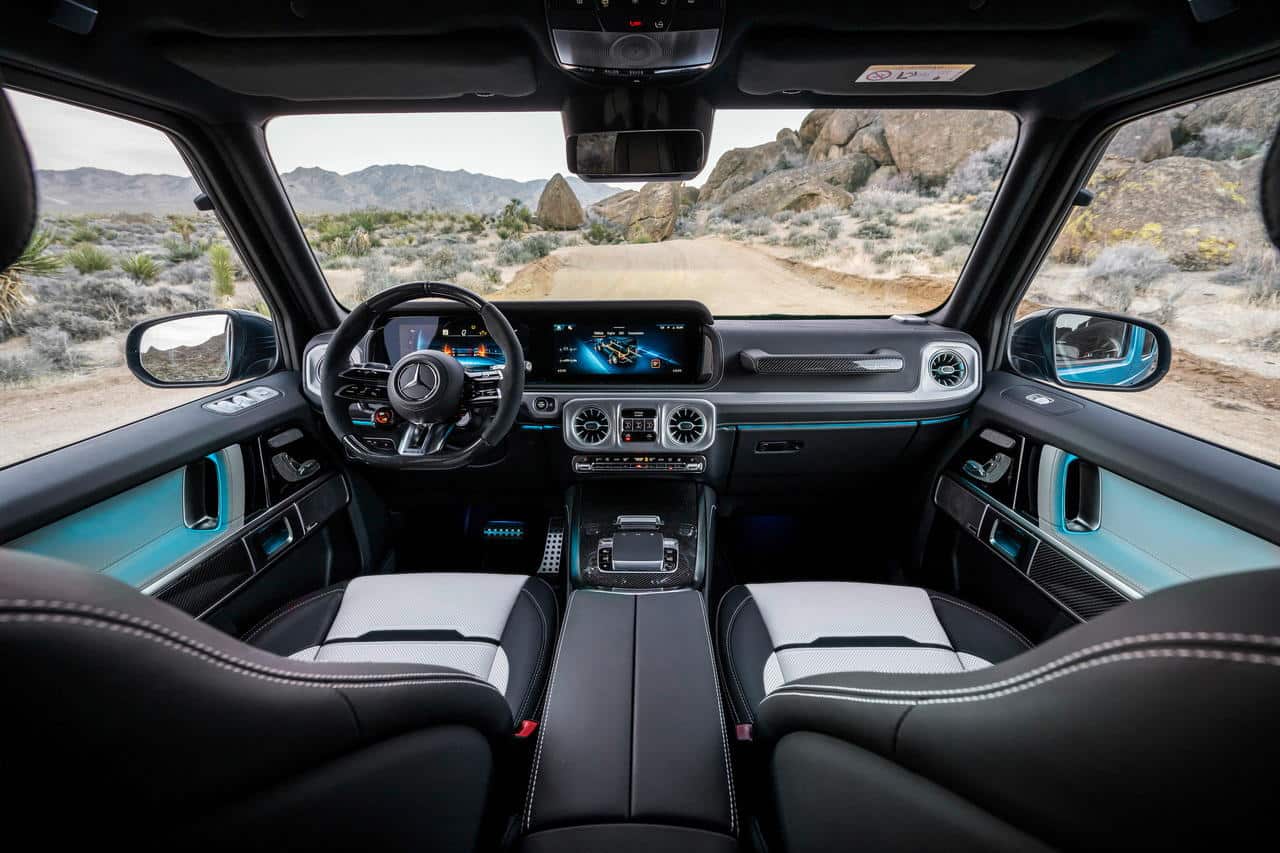
Few vehicles inspire as much desire as the Mercedes G-Class. A cult silhouette, a unique presence, desirability intact for decades. It's also one of the most imported 4x4s from Germany — and one of the trickiest on the tax side. Because the G-Class stacks two handicaps against the penalty tax: it's powerful and heavy. Here is the honest guide to importing it without a nasty surprise.
Why import a G-Class from Germany
The G-Class sells very well in Germany, in every configuration imaginable. For the French buyer, that means:
- Choice: the right trim, the right colour, the right packs — including configurations not found in France.
- Better purchase prices, on a deeper market.
- Availability: recent models with no waiting list.
But on the G-Class more than any other model, the listing price only tells part of the story.
The penalty tax: the real G-Class subject
In 2026 the CO2 penalty tax (malus) triggers early and climbs fast, and a weight penalty tax is added on heavy vehicles. The G-Class ticks both boxes:
- The G 63 AMG (petrol V8): high emissions, heavy weight — it ranks among the worst penalty-tax cases on the market, CO2 and weight penalty taxes stacked.
- The G 450d (diesel): more contained CO2 markedly reduces the bill, while keeping the G-Class's character and capability.
- Older models: taxed on the scale of their year of first registration, with a reduction for age.
That's the point to grasp above all: on a G-Class, the penalty tax can represent a very large share of the budget. The winning approach is to compare the versions in registered price, penalty tax included.
Since the amounts change every year, the only figure that counts is the official simulator's: penalty-tax simulator, service-public.fr. We calculate it for every vehicle before any commitment.
G 63 or G 450d: the trade-off
It all depends on your use and your relationship with the penalty tax.
- G 63 AMG: the V8, the sound, the performance — at the cost of the heaviest penalty tax. The passion choice, to make with eyes open.
- G 450d: more frugal, a markedly reduced penalty tax, and the same G-Class DNA. For anyone who covers real mileage, it's often the most rational calculation.
There's no wrong answer — only a decision to make with your eyes open, figures in hand.
Age and used cars: the good news
Good news for used imports: the penalty tax is calculated on the scale of the year of first registration, then subject to a reduction for age. A G-Class a few years old is therefore not taxed at the full 2026 scale — which can make a slightly older model markedly more attractive, penalty tax included.
What to check before buying
On a used G-Class, a few key points:
- The full service history and the consistency of the mileage.
- The condition of the running gear and bodywork: genuine off-road use leaves marks.
- The authenticity of the configuration, especially on special series and rare editions.
On an import, these checks are best done through a physical inspection on site before purchase.
In summary
- The G-Class imports very well from Germany: choice, configurations, a more favourable purchase price.
- It's an extreme penalty-tax case: the G 63 stacks CO2 and weight penalty taxes; the G 450d limits the bill.
- The imported used car benefits from an age-based reduction of the penalty tax.
- On this model, reason only in registered price, penalty tax included.
Got a G-Class in mind? Write to us: we target the right version, calculate the penalty tax, and tell you the real cost. The analysis is free.
Frequently asked questions
- What is the penalty tax on a Mercedes G-Class in 2026?
- It's among the highest on the market on the petrol versions, in particular the G 63 AMG: its heavy CO2 emissions trigger a strong CO2 penalty tax (malus), to which a weight penalty tax is added, the G-Class being very heavy. A G 450d (diesel) reduces the bill thanks to more contained CO2. On an imported used car, the penalty tax is calculated on the scale of the year of first registration then reduced for age. The exact amount must be checked on the official simulator.
- Is it really worth importing a G 63 from Germany?
- Yes for the choice and the purchase price — the German market is deeper and often cheaper — but you have to factor in the penalty tax, which is high on the G 63. Importing stays a winner on this highly sought-after model, provided you reason in registered price, penalty tax included, and not in listing price. We systematically calculate this real cost before any commitment.
- G 63 petrol or G 450d diesel: which to import?
- It depends on your use and your sensitivity to the penalty tax. The G 63 offers the V8's performance and sound, at the cost of the heaviest penalty tax. The G 450d, more frugal, markedly reduces the tax bill while keeping the G-Class's character and capability. For many buyers who cover real mileage, the diesel is the most rational calculation — but it's a personal trade-off.
- How much does a used G-Class cost in Germany?
- The gap is wide by version and year: from an older model to a recent G 63, you go from single to several times the price. The G-Class has the peculiarity of holding its value very well, sometimes above list price for rare configurations. The point of importing stays the choice and a price often below the French market — the best approach is to estimate your specific model.
- What should you check before buying a G-Class in Germany?
- The full service history, the consistency of the mileage, the condition of the running gear and bodywork (genuine off-road use leaves marks), and the authenticity of the configuration on special series. A physical inspection on site before purchase is the best protection — which is what we do, every time.

Importer of premium vehicles from Europe to France and Switzerland. Specialist in sourcing, negotiation and administrative formalities.
Contact Maxime
Importing a Mercedes-AMG from Germany: Which Model, What Penalty Tax (2026)
V8, hybrid, A45: depending on the model and the year, importing a Mercedes-AMG from Germany can be a fantastic deal or a tax trap. The complete guide to the AMG penalty tax (malus), the sweet spots, and the pitfalls to avoid in 2026.
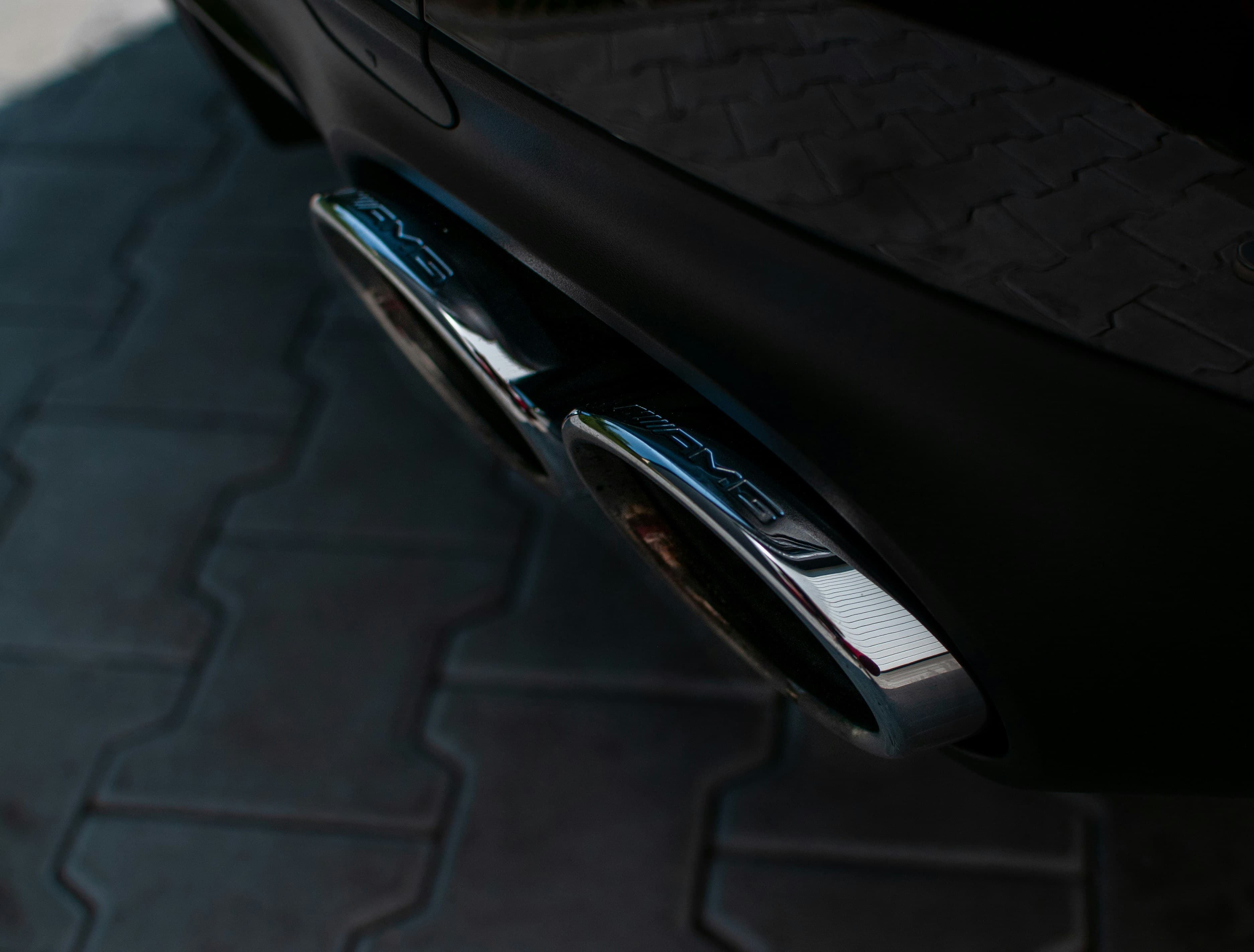
2026 Penalty Tax on a Car Imported from Germany: What Actually Applies
CO2 penalty tax, weight tax, the so-called 'retroactive penalty tax': separating fact from fiction for 2026. How the penalty tax is really calculated on an imported used car — and the two misconceptions that cost buyers dearly.

The Best Cars to Import from Germany in 2026 (Ranked)
Which premium models are genuinely worth importing from Germany in 2026? Our logic-driven ranking — the no-brainers, the hard-to-find configurations, the anti-penalty-tax weapon, and the traps to avoid at all costs.