

Which Premium SUVs Can You Import Without the French Penalty Tax in 2026? The Verified List
A 2.5-tonne premium SUV imported from Germany can cost tens of thousands of euros in French penalty tax… or nothing. Electric and 2022-2024 plug-in hybrids: the model-by-model list of those that qualify, those that fail, and the exact rule to check.

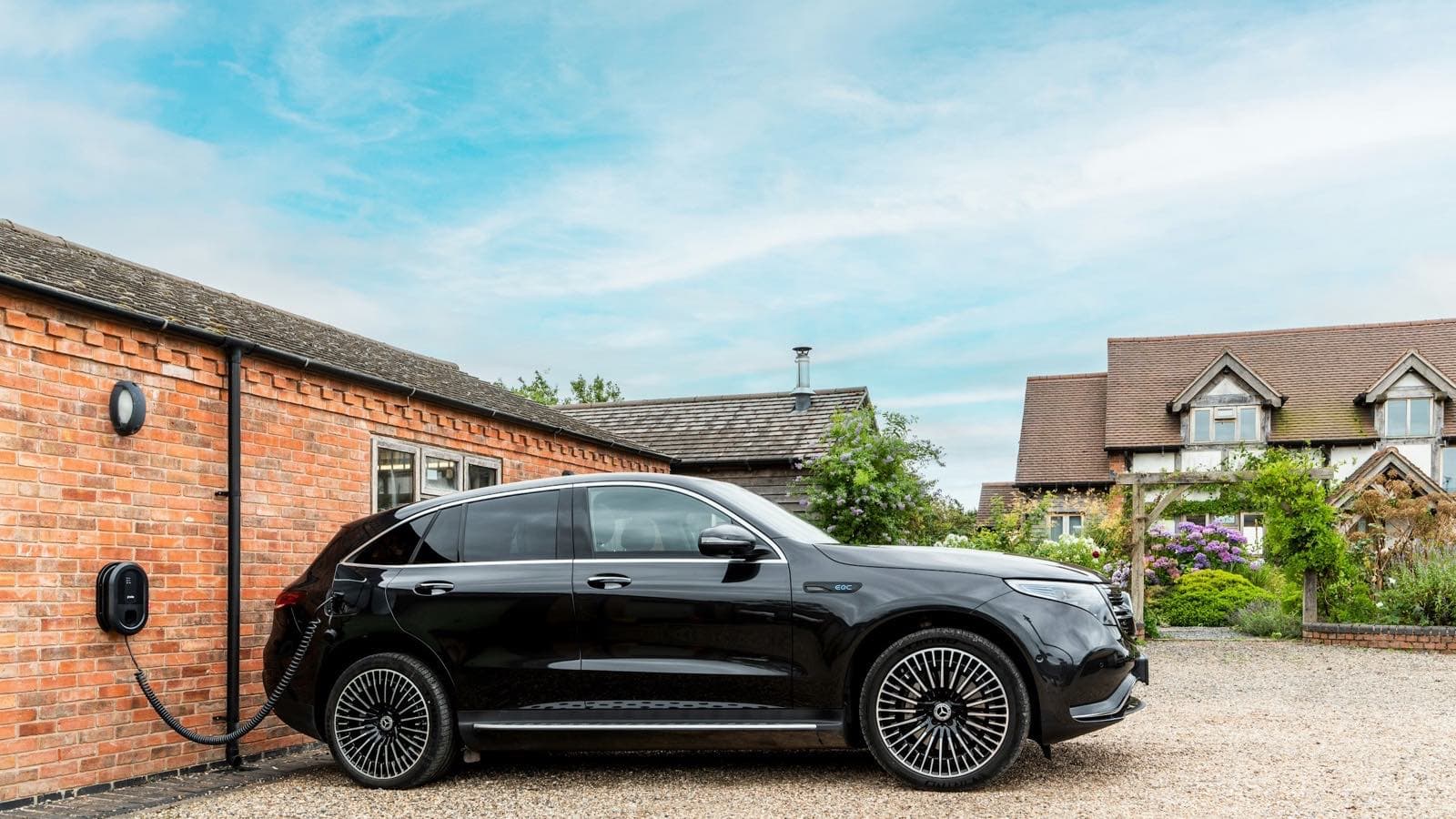
A premium SUV often weighs more than 2.2 tonnes. Imported from Germany, it can cost tens of thousands of euros in French penalty tax. Or nothing. It all depends on two things: its powertrain and its date of first registration. Here's the exact rule, and the verified list, model by model.
The short answer
Two families of premium SUVs can be imported with no penalty tax in 2026:
- Fully electric models, whatever their year: no CO2 penalty, no weight tax.
- Plug-in hybrids first registered between 2022 and 2024, provided their city electric range exceeds 50 km.
The rule, in detail
An imported car is subject to the rules of the year of its first registration, even if it took place in Germany. For a plug-in hybrid with a city electric range above 50 km:
| First registration | Weight tax | CO2 penalty |
|---|---|---|
| 2022, 2023, 2024 | Fully exempt | €0 (CO2 below the threshold) |
| From 1 January 2025 | 200 kg allowance only | €0 (CO2 below the threshold) |
The official CO2 of these hybrids, around 10 to 85 g/km, is well below the CO2 penalty thresholds of those years: 128 g/km in 2022, 123 g in 2023, 118 g in 2024. The result: €0 of penalty tax in total.
One crucial point: the 50 km threshold is measured on the city electric range, not the combined range in brochures. It's always slightly higher. A hybrid that misses the threshold is treated as a conventional hybrid: no allowance at all for a first registration in 2022-2023.
The SUVs that qualify
| Model | Versions and period | City electric range |
|---|---|---|
| BMW X5 | xDrive45e (2022 → February 2023), xDrive50e (April 2023 →) | 87 to 99 km; 119 km |
| BMW X1 | xDrive25e / 30e (late 2022 →) | 101 to 107 km |
| BMW XM | (2023 →) | 99 to 102 km |
| Mercedes GLE | 350 de, 350 e, 400 e, SUV and Coupé | 95 to 113 km |
| Mercedes GLC | 300 e, 400 e, 300 de, new generation (late 2022 →) | 118 to 136 km |
| Mercedes GLA | 250 e | 62 to 77 km |
| Porsche Cayenne | Facelifted E-Hybrid, S and Turbo E-Hybrid (mid-2023 →) | 76 to 90 km |
| Audi Q5 | 50 / 55 TFSI e | up to 66 km |
| Audi Q7 / Q8 | 55 / 60 TFSI e, 25.9 kWh battery (April 2024 →) | 80 to 90 km |
| Volvo XC60 / XC90 | T6 / T8, 18.8 kWh battery (September 2021 →) | 81 to 94 km |
| Range Rover | P440e, P510e, P460e | 114 to 125 km |
| Range Rover Sport | P440e, P510e, P460e, P550e | 117 to 126 km |
| Range Rover Velar | Facelifted P400e (February 2023 →) | 64 to 65 km |
| Range Rover Evoque / Discovery Sport | P300e | 69 to 80 km |
| Lexus NX / RX | 450h+ | 89 to 98 km; 90 km |
WLTP type-approval figures taken from manufacturer data sheets and the catalogue of the ADAC (the German automobile club).
Those that don't qualify, or need checking
| Model | Verdict |
|---|---|
| Porsche Cayenne E-Hybrid and Turbo S E-Hybrid pre-facelift (until spring 2023) | Doesn't qualify: 40 to 48 km in the city |
| Mercedes-AMG GLC 63 S E Performance | Doesn't qualify: 14 km in the city, 170 g of CO2 |
| BMW X3 xDrive30e (G01 generation, until late 2024) | Probably not: 46 to 52 km, check |
| Mercedes GLC 300 e / 300 de previous generation (until mid-2022) | Check: around 51 to 55 km |
| Audi Q7 / Q8 TFSI e, 17.9 kWh battery (before 2024) | Probably not to uncertain: around 50 km |
| Range Rover Velar P400e pre-facelift | Check: 57 km at best |
| Land Rover Defender P400e | Just qualifies (51 to 58 km): check |
| Volvo XC40 Recharge T4 / T5 | Likely, within 1 km: check |
| Volkswagen Touareg eHybrid / R eHybrid | Likely to no depending on version: check |
A concrete example of a fail: a pre-facelift Cayenne E-Hybrid first registered in 2022, at around 2,370 kg, pays about €5,700 in weight tax before age-based reduction, with no allowance at all. Not ruinous, but not zero either. The Cayenne is covered in detail in our article on importing a Porsche Cayenne from Germany.
Electric models: zero, whatever the year
Fully electric SUVs pay neither the CO2 penalty nor the weight tax in 2026: BMW iX, Mercedes EQE SUV, Audi Q8 e-tron, Porsche Macan Electric, Tesla Model X and Model Y, among others. For the rest of their maths (battery, real range, charging), see our guide to importing an electric car from Germany.
The 1 January 2025 trap
This is the most dramatic gap in the whole subject. Take a Range Rover P440e of around 2,770 kg:
- first registered on 31 December 2024: €0 penalty tax;
- first registered in January 2025: only a 200 kg allowance, i.e. about €22,100 in weight tax before age-based reduction.
A few days apart, more than €20,000 difference. The full Range Rover calculation is in our article on importing a Range Rover from Germany.
How to check a specific car
- The date of first registration: on the German registration document (Erstzulassung). It determines which scale applies.
- The city electric range and the CO2: in the car's certificate of conformity (COC), not in a brochure. These values vary with wheels and options.
- Beware of current manufacturer data sheets: since 2025, the new type-approval standard shows a higher CO2 for recent hybrids. They don't apply to a 2022-2024 car.
If the value is within 5 km of the threshold, only the certificate of conformity settles it. The full penalty tax calculation is in our import penalty tax guide.
How Auto M Import helps
Before any purchase, we check the exact city electric range and CO2 of the target vehicle on its certificate of conformity, along with its date of first registration. You know the real penalty tax, to the euro, before you commit. Then on-site inspection, negotiation, import and delivery.
In summary
- Electric models: no penalty tax in 2026, whatever the year.
- 2022-2024 plug-in hybrids with a city electric range above 50 km: no penalty tax on import.
- Qualify: X5 45e and 50e, GLE and new GLC plug-in hybrids, Range Rover and Range Rover Sport plug-in hybrids, XC60 and XC90 T8, facelifted Cayenne E-Hybrid, 2024 Q7 and Q8 TFSI e…
- Don't qualify: pre-facelift Cayenne E-Hybrid, AMG GLC 63 hybrid; several others need checking.
- Since 2025: only a 200 kg allowance, i.e. more than €20,000 of penalty tax on a large SUV.
Frequently asked questions
- Which premium SUVs can be imported into France with no penalty tax in 2026?
- Two families. Fully electric SUVs, exempt from both the CO2 penalty and the weight tax whatever their year. And plug-in hybrid SUVs first registered between 2022 and 2024 with a city electric range above 50 km: BMW X5 45e and 50e, Mercedes GLE plug-in hybrid, new GLC plug-in hybrid, Range Rover and Range Rover Sport plug-in hybrids, Volvo XC60 and XC90 T8, facelifted Porsche Cayenne E-Hybrid, 2024 Audi Q7 and Q8 TFSI e, among others.
- Why does a 2022-2024 plug-in hybrid SUV pay no penalty tax?
- Because an imported car is subject to the rules of the year of its first registration, even abroad. Plug-in hybrids with a city electric range above 50 km, registered between 2022 and 2024, are fully exempt from the weight tax. And their official CO2, around 10 to 85 g/km, is below the CO2 penalty threshold of those years (128 g in 2022, 123 g in 2023, 118 g in 2024).
- Is the 50 km threshold the combined or the city electric range?
- The city range. The rule uses the equivalent all-electric range in the city, measured at WLTP type approval. It's always slightly higher than the combined range shown in brochures. It doesn't appear on the registration document: it's found in the certificate of conformity or the manufacturer's documentation, and can vary with wheels and options.
- Does the Porsche Cayenne E-Hybrid escape the penalty tax?
- Not before the facelift. The Cayenne E-Hybrid with the 17.9 kWh battery, sold until spring 2023, only reaches 43 to 48 km of city electric range: it fails the test and pays the weight tax. The facelifted Cayenne E-Hybrid with the 25.9 kWh battery (from mid-2023) achieves 76 to 90 km in the city and qualifies easily.
- What about a plug-in hybrid SUV registered in 2025 or 2026?
- Since 1 January 2025, plug-in hybrids only get a 200 kg allowance on the weight tax. On a 2.7-tonne SUV, that still means more than €20,000 of penalty tax before age-based reduction. A few days between a first registration at the end of December 2024 and early January 2025 can therefore change the price by tens of thousands of euros.

Importer of premium vehicles from Europe to France and Switzerland. Specialist in sourcing, negotiation and administrative formalities.
Contact Maxime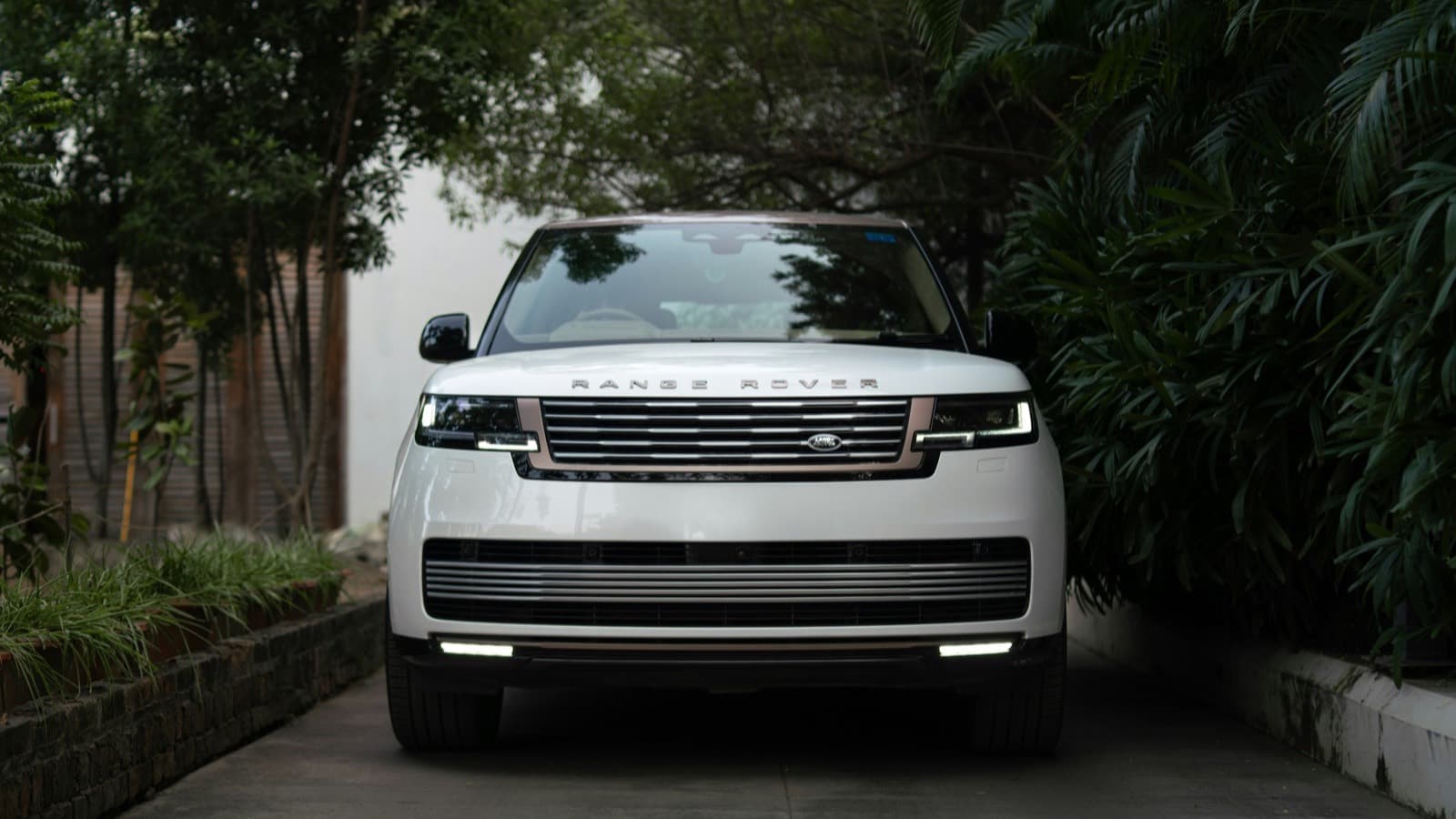
Importing a Range Rover from Germany: Penalty Tax, Hybrids, the Real Maths (2026)
On a 2.5-tonne SUV, the French penalty tax can reach €80,000… or drop to zero. Range Rover and Range Rover Sport: the 2022-2024 plug-in hybrid tax window, the versions to target, the traps to avoid and why Germany remains the right market.
2026 Penalty Tax on a Car Imported from Germany: What Actually Applies
CO2 penalty tax, weight tax, the so-called 'retroactive penalty tax': separating fact from fiction for 2026. How the penalty tax is really calculated on an imported used car — and the two misconceptions that cost buyers dearly.
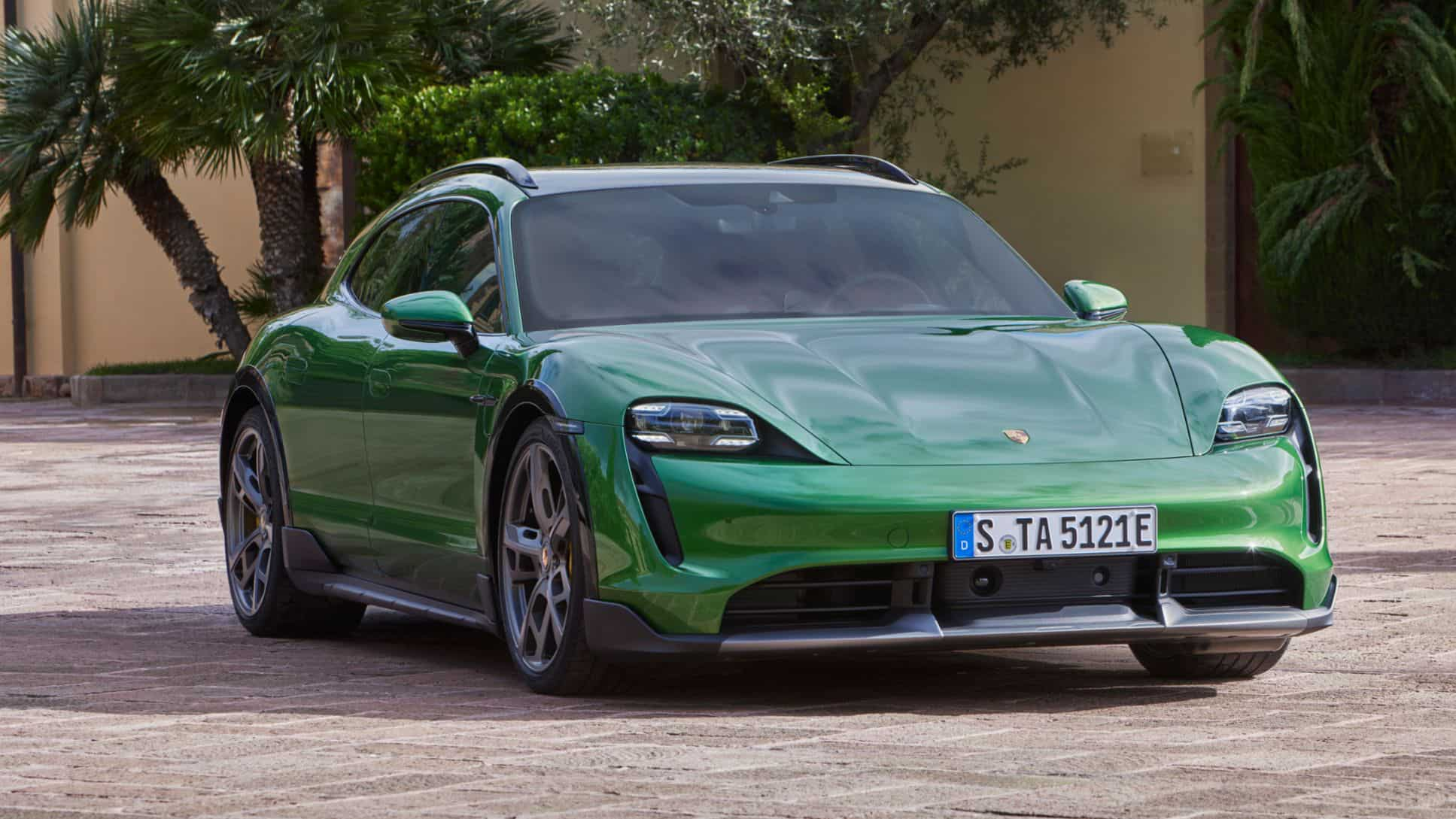
Importing an Electric Car from Germany in 2026: The Real Maths (Penalty Tax, VAT, Battery)
No purchase grant, but zero penalty tax: importing a premium electric vehicle from Germany follows a different logic than a combustion car. Penalty tax, VAT, real range, battery health, charging: the honest 2026 guide.