

Importing an Electric Car from Germany in 2026: The Real Maths (Penalty Tax, VAT, Battery)
No purchase grant, but zero penalty tax: importing a premium electric vehicle from Germany follows a different logic than a combustion car. Penalty tax, VAT, real range, battery health, charging: the honest 2026 guide.

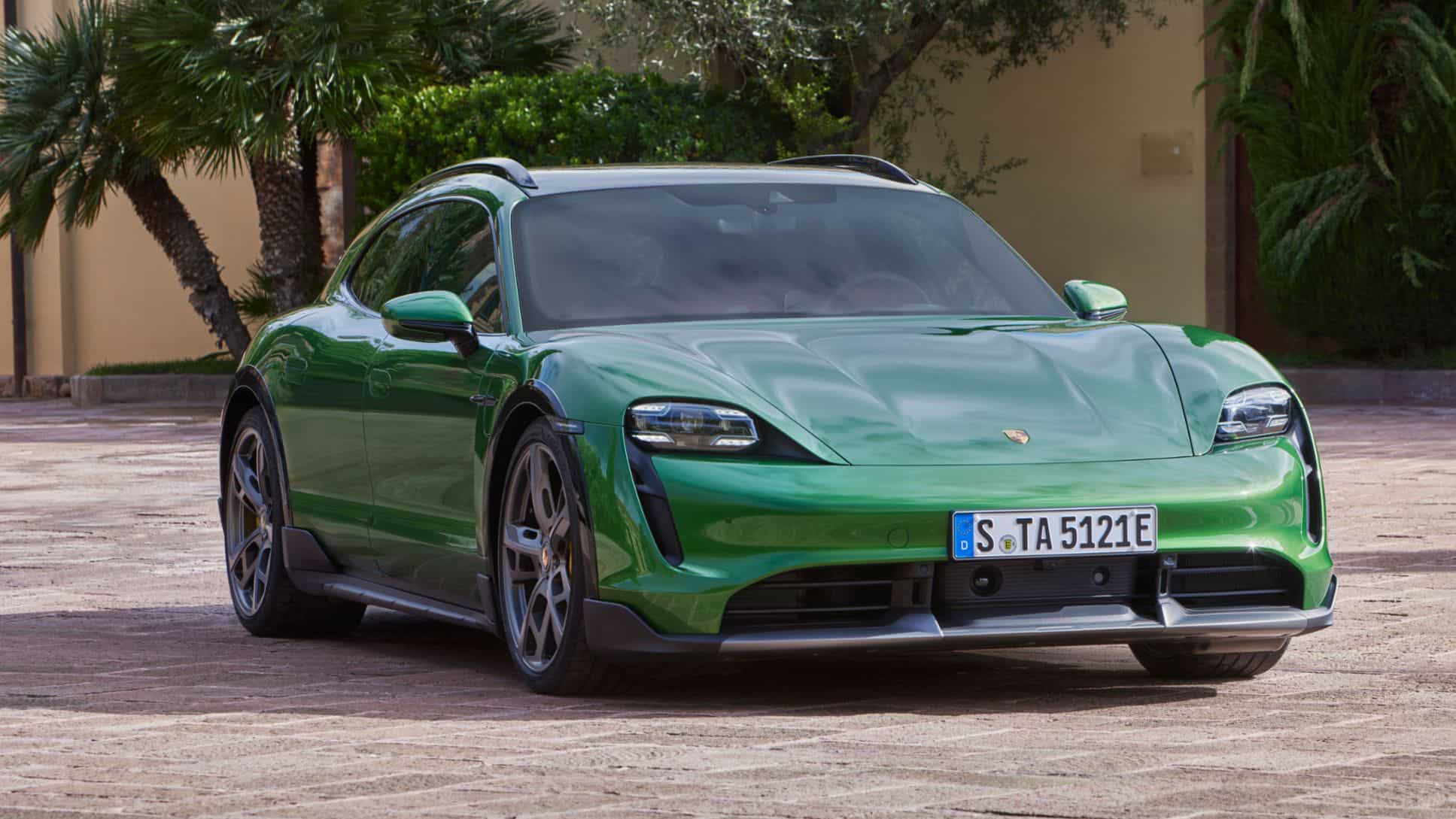
Importing an electric car from Germany isn't the same calculation as a combustion car. The purchase incentives, the tax argument, the things to watch for: everything changes. And most articles get the subject wrong by talking about the grant. Here is the real maths, updated for 2026, for a premium electric import.
The ecological grant? In practice, not for a premium import
Let's clear up the misunderstanding first. The ecological grant — now paid as a "coup de pouce" — is reserved for new vehicles, under a price cap of €47,000 incl. tax, and used vehicles have been excluded since 2024.
For a premium electric import, that means almost systematic exclusion:
- it's usually a used car (already registered abroad),
- and its price exceeds the €47,000 cap.
An imported Taycan, e-tron, EQ or i4/iX therefore doesn't qualify, in practice. As for the scrappage bonus, it has been abolished and no longer exists in 2026. The grant simply isn't the point of a premium electric import — the real advantage is elsewhere.
The real advantage: zero penalty tax
Here's the knockout argument. In 2026, a 100% electric vehicle is fully exempt from both the CO2 and the weight penalty tax, whatever its mass.
And premium electric cars are heavy: a Taycan, an iX or an e-tron easily weigh more than 2.3 tonnes. As a combustion car, such weight would trigger a substantial weight penalty tax (added to the CO2 one), for a total that can reach tens of thousands of euros. As an electric car: €0.
That's where the real saving of a premium electric import lies — not in a grant, but in a tax avoided. A weight tax on electric vehicles had in fact been considered for a while, before being set aside for 2026 (something to watch for the future, but which doesn't apply today).
VAT: new or used, the only question
The VAT rules are the same as for a combustion car — nothing specific to electric. It all depends on the vehicle's status:
- New for tax purposes (under 6 months or under 6,000 km): 20% VAT is due in France.
- Used for tax purposes (over 6 months and over 6,000 km): no French VAT, free tax clearance certificate.
The classic trap: near-new vehicles (often offered by import brokers). Under either threshold, French VAT applies. It's a point we check systematically before any purchase.
Range: what the listing doesn't tell you
The quoted WLTP range is a laboratory figure. In real conditions, expect:
- 20 to 30% less in normal mixed use,
- up to 40 to 50% less on the motorway in winter (speed and cold combined).
Recent premium models, often fitted with a heat pump and battery preconditioning, limit the damage — but the message stands: reason on the real range, not the brochure figure. On an import, we help you choose a battery capacity that matches your actual journeys.
The battery: SoH, the number one point
On a used electric car, the most important criterion is neither the mileage nor the age: it's the battery's health, the SoH (State of Health), expressed as a percentage of the original capacity.
- An SoH of 90% = 90% of the original range.
- Below 70%, it's a serious warning sign.
- An independent battery health certificate costs €60 to €150; an official dealer diagnosis has legal standing in a dispute.
Good news: the manufacturer's battery warranty — often around 8 years or 160,000 km, with a minimum guaranteed SoH — follows the vehicle and stays valid after import (the terms vary by manufacturer). We have the SoH checked as part of our pre-purchase inspection.
Charging: no compatibility problem
A common worry, without foundation: the charging standards are European. Type 2 (AC) and CCS Combo 2 (fast charging) are identical in Germany and France — the CCS was even born in Germany. Every recent premium German electric vehicle has them and charges directly on the French network, with no adapter.
What about Switzerland?
For our Swiss clients, the framework is different: there is no federal purchase grant, and since 2024 the 4% federal vehicle tax applies to electric cars too. On the other hand, several cantons exempt or heavily reduce the cantonal vehicle tax for electric cars (Geneva, Zurich and others) — with rules that change every year and vary from canton to canton. We factor this cantonal parameter into your calculation.
How Auto M Import handles your electric car
We take on everything, turnkey:
- Sourcing the electric model suited to your real journeys and your budget.
- Checking VAT (new vs used) and the battery's SoH before purchase.
- A physical inspection, negotiation, import and paperwork (tax clearance, registration), home delivery.
In summary
- The grant doesn't apply to a premium electric import (new + €47,000 cap, used excluded).
- The real 2026 advantage: zero penalty tax (CO2 and weight) on a 100% electric car — decisive on a heavy model.
- VAT: due if the vehicle is new for tax purposes; otherwise the tax clearance is free.
- Watch the real range (‑20 to ‑30%) and above all the battery's SoH.
- Charging: full compatibility Germany / France.
Thinking about an electric car? Write to us: we target the right model, check the battery and the VAT, and tell you the real cost — penalty tax (zero) and everything included. The analysis is free.
Frequently asked questions
- Can you get the ecological purchase grant on an imported electric car?
- In practice, for a premium vehicle, no. The grant (now paid as a 'coup de pouce') is reserved for new vehicles, under a price cap of €47,000 incl. tax, and used vehicles have been excluded since 2024. An imported used Taycan, e-tron or i4 therefore has two grounds for exclusion: it's a used car, and its price exceeds the cap. The grant simply isn't the point of a premium electric import.
- Does a 100% electric vehicle pay a penalty tax in 2026?
- No. In 2026 a 100% electric vehicle is fully exempt from both the CO2 and the weight penalty tax (malus), whatever its mass. That's the major advantage of a premium electric import: a heavy model like a Taycan or an e-tron, which would take tens of thousands of euros of penalty tax as a combustion car, is registered with no penalty tax at all. A weight tax on electric vehicles was considered, then set aside for 2026.
- Do you have to pay VAT on an electric car imported from Germany?
- It depends on the vehicle's age, just like a combustion car. A vehicle that is new for tax purposes — under 6 months old or under 6,000 km — bears 20% VAT in France. A genuine used car — over 6 months and over 6,000 km — triggers no French VAT and the tax clearance certificate is free. Watch near-new models: under either threshold, French VAT is due.
- How do you check the battery of a used electric car?
- The number one criterion is the SoH (State of Health), the battery's health, expressed as a percentage of the original capacity. Below 70%, it's a warning sign, regardless of mileage. An independent battery health certificate costs €60 to €150, and an official dealer diagnosis has legal standing. The manufacturer's battery warranty, often around 8 years or 160,000 km, follows the vehicle and stays valid after import.
- Is a French charging point compatible with a German electric car?
- Yes, with no adapter. The European charging standards — Type 2 for AC and CCS Combo 2 for fast charging — are the same in Germany and France (the CCS was in fact born in Germany). Every recent premium German electric vehicle has them: they charge directly on the French network.

Importer of premium vehicles from Europe to France and Switzerland. Specialist in sourcing, negotiation and administrative formalities.
Contact Maxime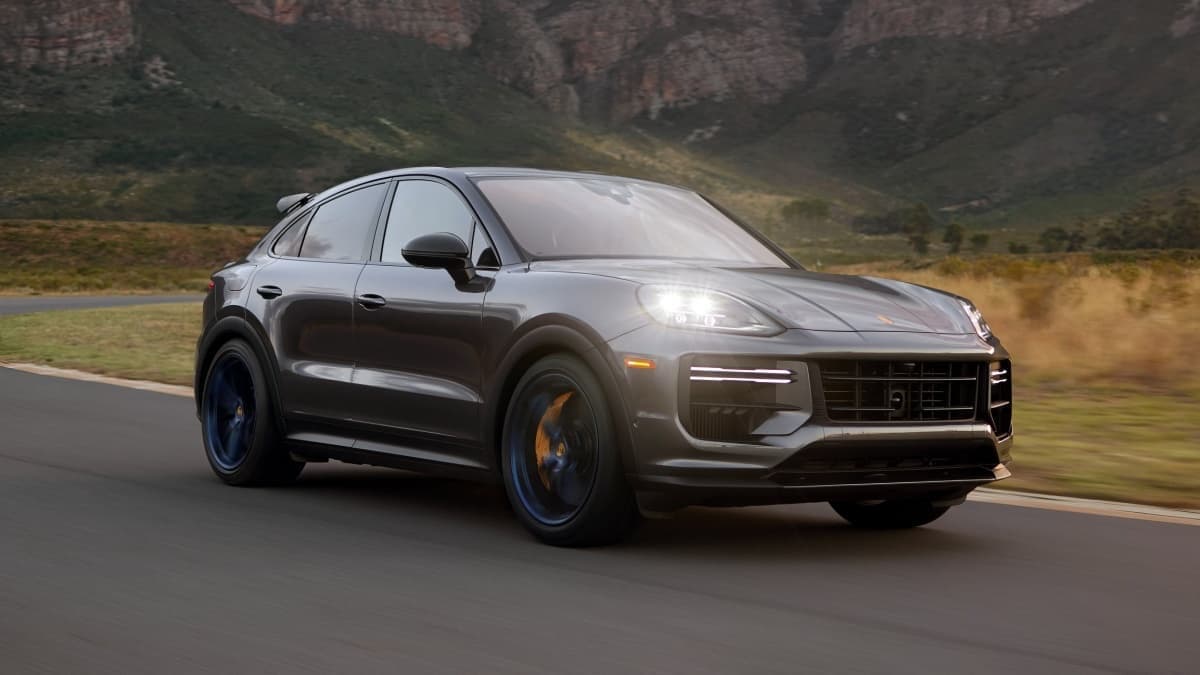
Importing a Porsche Cayenne from Germany: Versions, Penalty Tax, the Real Maths (2026)
Which Cayenne to import, at what price, and above all what penalty tax by engine: the honest guide to importing a Porsche Cayenne (or a Macan) from Germany in 2026 — where the V8 is a trap and the hybrid a sweet spot.
2026 Penalty Tax on a Car Imported from Germany: What Actually Applies
CO2 penalty tax, weight tax, the so-called 'retroactive penalty tax': separating fact from fiction for 2026. How the penalty tax is really calculated on an imported used car — and the two misconceptions that cost buyers dearly.

How to Import a Car from Germany to Switzerland: The Complete 2026 Guide
Customs, 8.1% VAT, 4% automobile tax, cantonal vehicle inspection, CO2 penalty: everything you need to know to import a premium vehicle from Germany to Switzerland in 2026, with real costs and the pitfalls to avoid.