

Importing a Car from Belgium: Is It Better than Germany? (2026)
No customs, no French VAT on a used car, an official mileage history and French-speaking sellers: Belgium has real advantages. But its market is nearly seven times smaller than Germany's. Paperwork, pitfalls and a side-by-side comparison with figures.

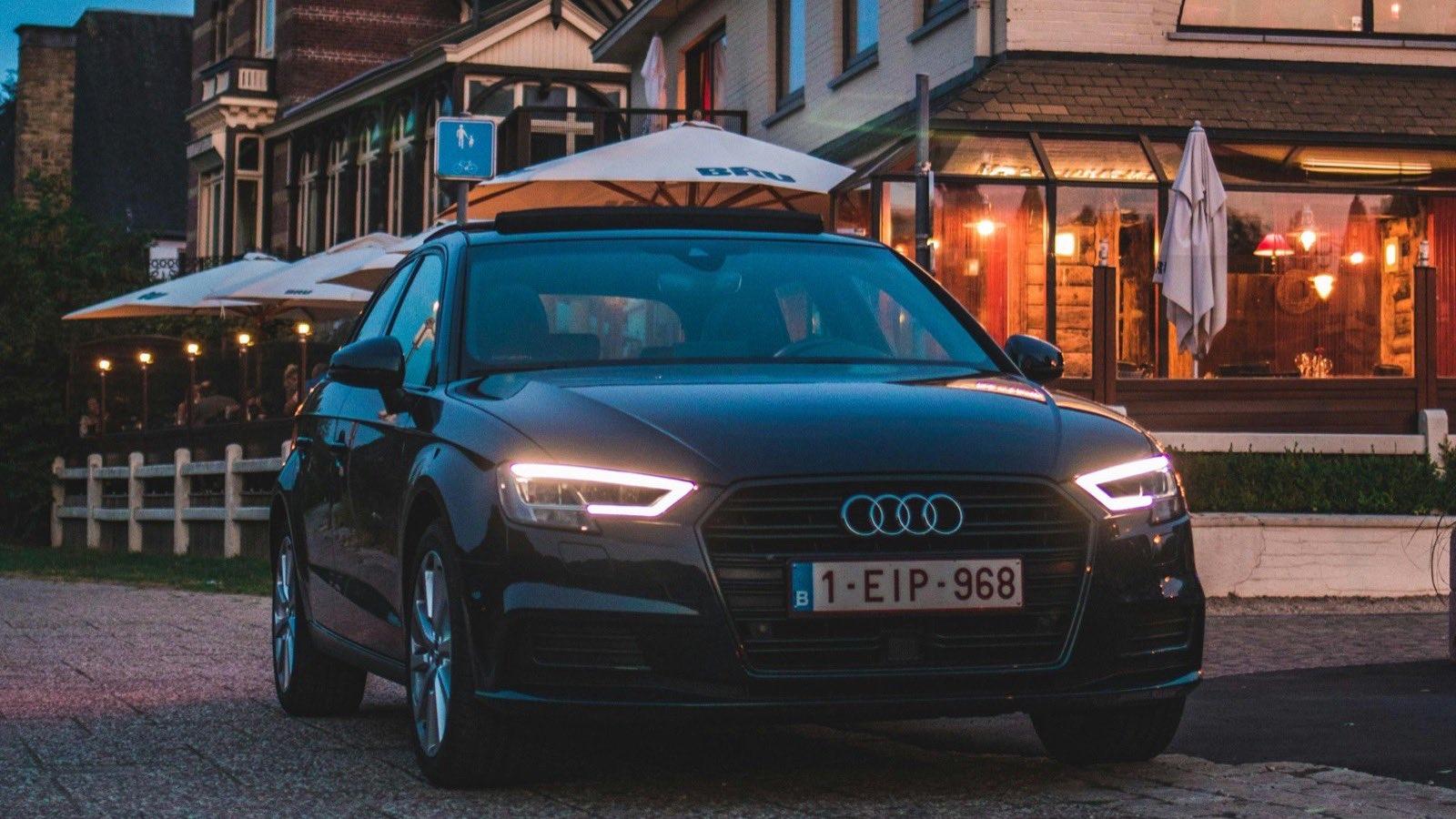
Belgium ticks a lot of boxes: it's part of the European Union, Brussels and Wallonia speak French, the capital is about an hour and a half from Lille, and every used car sold to a private buyer comes with an official mileage history. Enough to wonder whether it's better to buy there than in Germany. The answer depends mostly on one thing: is the car you want actually there?
The short answer
- On the French side, nothing changes compared with Germany: no customs, no French VAT on a used car, quitus fiscal, registration, penalty tax.
- Belgium's advantage: the Car-Pass, an official mileage history that every seller must hand to a private buyer.
- Belgium's constraint: plates stay with the seller, and the export plate can only be obtained in Brussels.
- The limit: 414,771 new cars sold in Belgium in 2025, against 2,857,591 in Germany. A market nearly seven times smaller.
- The verdict: Belgium is a good option when the car is there, especially from northern France. For a specific version, Germany offers far more choice.
On the French side: exactly the same rules as with Germany
Belgium and Germany are both in the European Union. For a buyer living in France, the French paperwork is therefore identical:
- No customs duty.
- No French VAT on a used car, meaning a car more than 6 months old and with more than 6,000 km. If either condition is missing, the car is "new" for tax purposes and French VAT at 20% is due.
- A quitus fiscal, free, to obtain before registration. Everything is explained in our quitus fiscal guide.
- The certificate of conformity (COC) or an equivalent, often requested for registration: see our certificate of conformity guide.
- A roadworthiness test less than 6 months old if the car is over 4 years old. A Belgian test is accepted, like any test carried out in an EU country.
- French registration on France Titres, within a month of purchase: see our registration guide.
- The penalty tax, based on the scale of the year of first registration, even if it took place in Belgium, with a reduction based on age. No specific rule for Belgium: see our penalty tax guide.
In other words, buying in Belgium neither saves nor costs money on the French side. The difference lies in the Belgian market itself.
Belgium's real advantage: the Car-Pass
In Germany, there is no official mileage history: you piece it together from the service book and roadworthiness reports. In Belgium, the law has required the Car-Pass since 2006, a certificate that records each car's odometer readings.
What the law says:
- Every seller, trade or private, must hand a Car-Pass to the buyer. The only exception: a professional buyer. A French private buyer purchasing in Belgium is therefore entitled to one.
- The Car-Pass must be less than 2 months old. It costs €11.10.
- Without a Car-Pass, a private buyer can ask a court to cancel the sale and get their money back.
What it contains:
- dated mileage readings, recorded during servicing, repairs and roadworthiness tests;
- the date of first use and the date of first registration in Belgium;
- the Euro standard and CO2 emissions;
- manufacturer recalls still open;
- any post-accident inspection still pending.
The system works: according to the Car-Pass 2025 annual report, likely odometer fraud affects 0.12% of cars already registered in Belgium, against 0.50% of cars imported into Belgium.
Its limits:
- The Car-Pass only knows the car's Belgian life. If the date of first use is well before the first registration in Belgium, the car was driven elsewhere first: the mileage from that period isn't tracked.
- It is not an accident history. A claim only shows if a post-accident inspection is still pending.
So the Car-Pass doesn't replace an inspection of the car. But it's a safety net that doesn't exist in Germany.
A Belgian car's paperwork
- The registration certificate has been in two parts since 2013. The seller must hand over both.
- The certificate of conformity is among the documents required in Belgium for a used-car inspection, so it often travels with the car. That isn't systematic, especially for a car first registered in another country. Ask for it before buying.
- The roadworthiness test: in Belgium, a used car sold between private individuals normally goes through a specific inspection before changing hands (€90.70 in Brussels and Flanders, €105.70 in Wallonia in 2026). If it's less than 6 months old, this Belgian test is accepted for French registration.
- The Car-Pass, less than 2 months old.
Bringing the car back: the Belgian plate stays with the seller
In Belgium, the number plate belongs to the registration holder, not to the car. The seller keeps it for their next car. So you can't drive back to France on the original plates.
Two solutions:
- The Belgian export plate (X plate). It's reserved for people living abroad who buy a car in Belgium to export it, and for EU companies. It's valid for 30 days and can only be obtained at the DIV counter (the vehicle registration service) in Brussels, with the original documents: invoice, ID, the seller's last registration certificate and an insurance certificate. For a car over 4 years old, a valid roadworthiness test is also required. Note that not all insurers offer this temporary cover.
- Truck transport. The car travels on a flatbed, with no need for plates. It's the simplest solution if you don't live near Brussels.
Once in France, the provisional registration certificate (one month) or WW plates (4 months) let you drive while the registration is processed.
Belgium or Germany: the comparison
| Belgium | Germany | |
|---|---|---|
| New cars sold in 2025 | 414,771 | 2,857,591 |
| Used cars that changed hands in 2025 | 734,165 | 6.51 million |
| Sellers' language | French (Brussels, Wallonia) or Dutch | German |
| Official mileage history | Yes: Car-Pass mandatory | No |
| Plates to drive home | X plate, Brussels only | Export plates, with dedicated insurance |
| Customs and French VAT (used car) | None | None |
| French penalty tax | Identical | Identical |
Market size makes the difference. For a common car, such as a BMW 3 Series (one of the five best-selling used cars in Belgium in 2025), the Belgian market offers choice. For a specific version, colour, gearbox or options pack, the German used market is nearly nine times bigger: that's where you find the right car.
Prices, on the other hand, can't be compared on averages. No reliable study compares prices like for like between Belgium and Germany. The right method: look for the same model, in the same version, with the same mileage, on both markets (AutoScout24.be alone has more than 110,000 used-car listings), then compare the final cost, with fees and penalty tax included.
A market shaped by company cars
In Belgium, nearly 6 new cars in 10 are registered by companies (58% in 2025, according to Febiac). This has an impact on the used market:
- Some of these cars leave the country quickly. According to a study by the Flemish research institute VITO, around half of lease cars leave the Belgian fleet within 5 years: exported, scrapped or removed from the fleet in some other way.
- Diesel is disappearing from new sales, not from used ones. It accounted for only 3% of new cars in 2025, but still 26% of used cars sold.
- Taxation pushes towards electric. Since 1 January 2026, a petrol, diesel or plug-in hybrid car ordered by a company is no longer tax-deductible at all, against 100% for an electric car.
For you, this means one simple thing: a recent Belgian used car has often been a company car. That isn't a flaw in itself, but the service book and the Car-Pass deserve a close read.
Pitfalls to avoid
- A missing Car-Pass, or one more than 2 months old. Insist on it: it's mandatory.
- A gap between first use and first Belgian registration: the car had a life before Belgium, and its mileage from that time isn't tracked.
- A pending post-accident inspection flagged on the Car-Pass.
- Driving on the seller's plates: they belong to the seller, who must have them deregistered.
- A car less than 6 months old or with fewer than 6,000 km: French VAT at 20% is due.
- A missing certificate of conformity: it delays French registration.
How Auto M Import handles it
We look for your car in Germany first, but also in Belgium when it's there. For a Belgian car, we check the Car-Pass, both parts of the registration certificate and the certificate of conformity, we organise transport, then we handle the quitus fiscal and the French registration in your name. The full cost, penalty tax included, is worked out before purchase. Every step is detailed in our guide to importing a car from Germany.
In summary
- On the French side, Belgium and Germany are the same: no customs, no VAT on a used car, quitus, registration, penalty tax.
- The Belgian Car-Pass gives an official mileage history: every seller must hand it to a private buyer, less than 2 months old.
- Belgian plates stay with the seller: a 30-day X plate from Brussels, or truck transport.
- The Belgian market is nearly seven times smaller than Germany's for new cars, and nearly nine times for used ones.
- No reliable study says where it's cheaper: compare the same car on both markets, final cost included.
Torn between a Belgian listing and a German one? Write to us: we'll compare both, figures included. The analysis is free.
Frequently asked questions
- Do you pay customs or French VAT on a car bought in Belgium?
- No customs: Belgium is part of the European Union. No French VAT either on a used car, meaning a car more than 6 months old and with more than 6,000 km: all you need is a quitus fiscal, which is free. If the car is less than 6 months old or has fewer than 6,000 km, it counts as new and French VAT at 20% is due.
- What is the Belgian Car-Pass?
- It's an official certificate listing a car's mileage readings since it arrived in Belgium, with its dates of first use, its Euro standard, its open recalls and any pending post-accident inspection. Every seller, trade or private, must hand it to the buyer, unless the buyer is a professional. It must be less than 2 months old and costs €11.10. Without a Car-Pass, a private buyer can ask a court to cancel the sale.
- How do you bring a car bought in Belgium back to France?
- Belgian plates belong to the registration holder, not to the car: the seller keeps them. So you need either a Belgian export plate (X plate), valid for 30 days and issued only by the DIV in Brussels to people living abroad who buy a car to export it, with temporary insurance; or truck transport. Once in France, the provisional registration certificate or WW plates take over.
- Are cars cheaper in Belgium than in Germany?
- No reliable study compares prices like for like between Belgium, Germany and France. The published barometers compare averages across different fleets and contradict each other. The only valid method is to compare the same model, in the same version, with the same mileage, on both markets, with costs and penalty tax included.
- Is a Belgian roadworthiness test accepted for French registration?
- Yes. For a car already registered in another EU country, a roadworthiness test carried out in that country is accepted if it is less than 6 months old when you apply for French registration. It is only required for a car over 4 years old.
- Does the French penalty tax apply to a car imported from Belgium?
- Yes, exactly as for a German car: the scale is that of the year of first registration, even if it took place in Belgium, with a reduction based on the car's age. There is no specific rule for Belgium.

Importer of premium vehicles from Europe to France and Switzerland. Specialist in sourcing, negotiation and administrative formalities.
Contact Maxime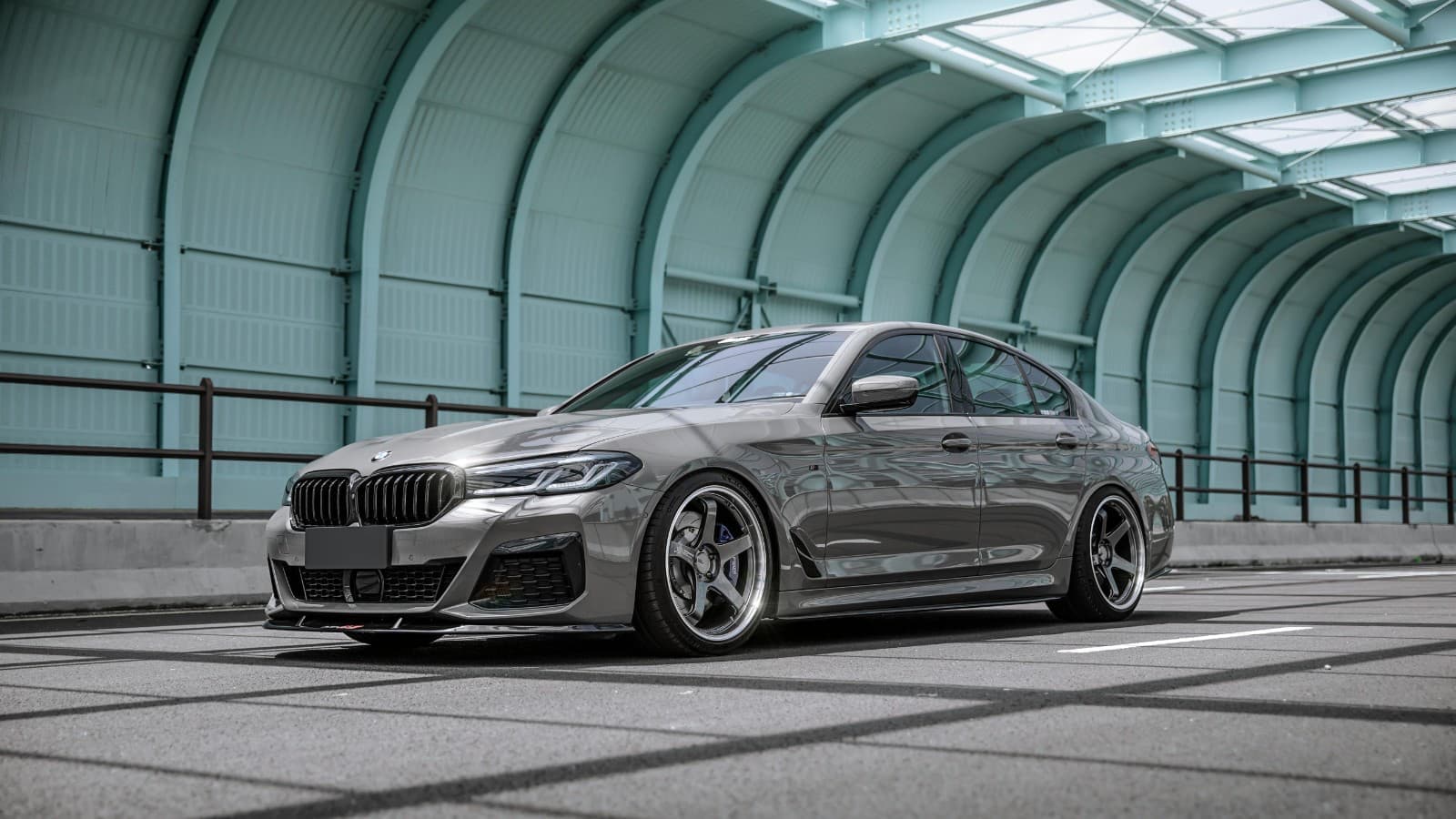
Importing a Car from Germany to France in 2026: The Complete Guide (Price, Process, Timeline)
Everything you need to know before bringing a vehicle in from Germany: the real costs, the administrative process, realistic timelines, and the pitfalls to avoid.
Quitus Fiscal: How to Get the French Tax Clearance for a Car Imported from Germany (2026)
The quitus fiscal is mandatory to register a car bought in Germany in France. Online or by email depending on your département, documents to provide, whether VAT is due, real timelines and the mistakes that block an application.

Checking a German Car Before Buying: Odometer, History, Accidents (2026)
Wound-back odometer, false 'accident-free', incomplete service book: buying a car in Germany means knowing how to verify. The complete method, document by document, plus the essential German vocabulary so you don't get caught out.