

mobile.de: How to Buy a Car in Germany Safely (2026 Guide)
mobile.de is the largest used-car marketplace in Europe — and the first place to look when importing from Germany. How to filter, read a listing, tell a dealer from a private seller, and above all spot the scams before you send a single euro.

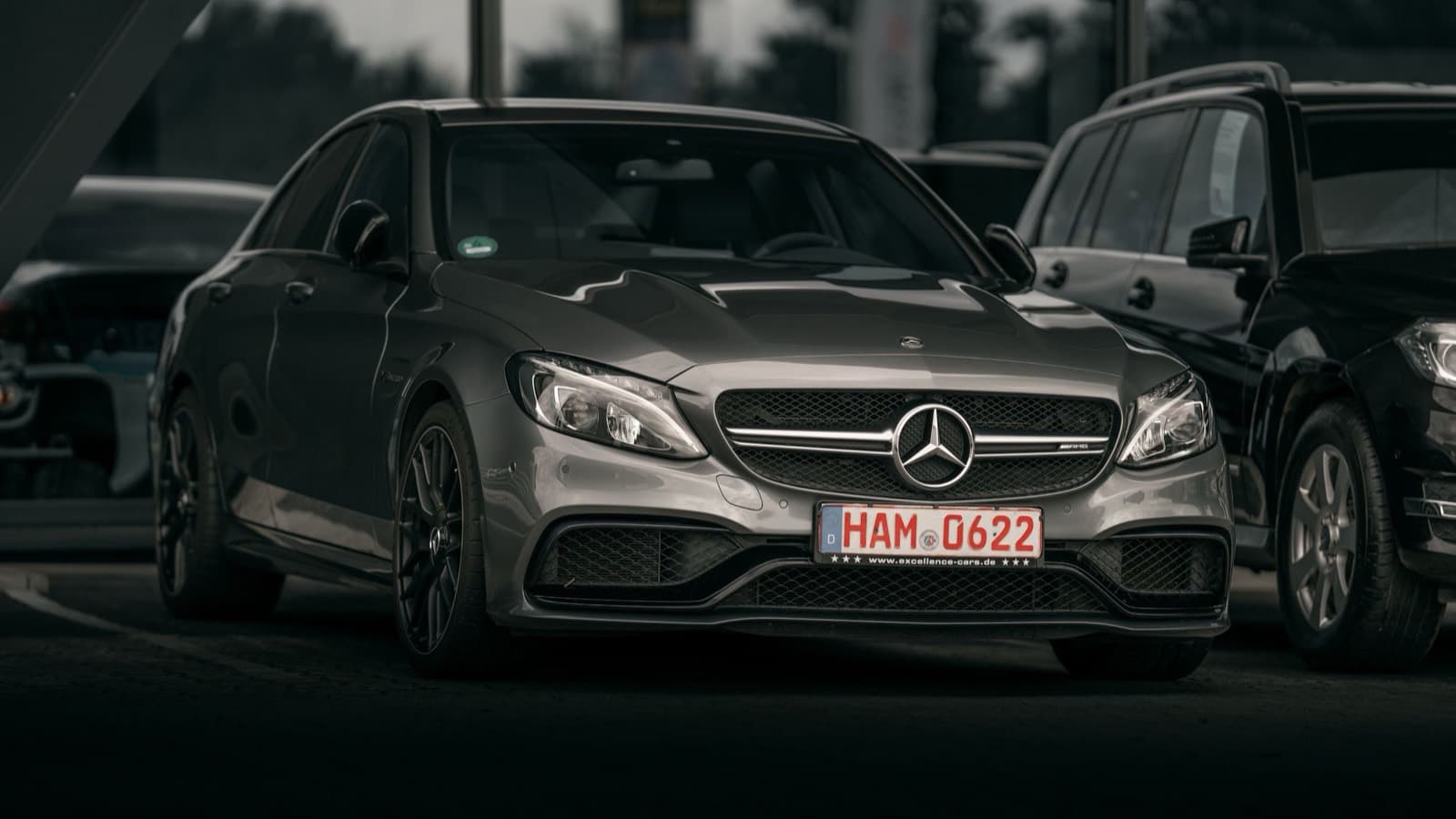
If you're looking for a premium car to import from Germany, you'll inevitably end up on mobile.de. It's the largest used-car marketplace in Europe: hundreds of thousands of listings, every make, every configuration. It's a gold mine — provided you know how to use it. Here's the practical guide to searching, reading a listing, and above all avoiding the classic traps.
What is mobile.de?
It's the German equivalent of the big national classifieds sites, but on a completely different scale. You'll find listings from both professionals (garages, dealerships) and private sellers, across the whole of Germany. For a foreign buyer, it's the first source of supply: it's where most of the market depth that makes importing worthwhile actually sits (more choice, better prices, configurations you won't find at home).
1. Filter your search properly
mobile.de's strength is how precise its filters are. The most useful ones:
- Marke / Modell: make and model.
- Erstzulassung (EZ): date of first registration — the real age indicator (more reliable than "year").
- Kilometerstand: mileage.
- Anbieter: Händler / Privat: professional or private seller (see below — it changes everything for VAT).
- Umkreis / PLZ: radius and postcode, to target a region.
One tip: widen the search to all of Germany. The good deal is rarely in the next town over — it's wherever you're willing to go and get it (or have it fetched).
2. Read a listing without getting caught out
Listings are in German, with recurring vocabulary. The terms to watch: Scheckheftgepflegt (maintained per the service book), Unfallfrei (declared accident-free), TÜV neu (recent technical inspection), Erstzulassung (first registration). Careful: these are seller's statements, not proof — they must be verified. For the full method, document by document, see our guide on checking a German car before buying.
3. Händler or Privatverkäufer: the distinction that matters
On every listing, mobile.de states whether the seller is a professional (Händler) or a private individual (Privatverkäufer). That's no detail:
- A VAT-registered professional can issue an invoice showing VAT, reclaimable on an intra-EU purchase (depending on the vehicle's regime).
- A private seller doesn't invoice reclaimable VAT, but sometimes offers a better price.
For everything on this point, see reclaiming VAT on an imported vehicle.
4. The language barrier
mobile.de exists in English, but listings, exchanges and documents stay in German. Two real risks when you don't master the language: misinterpreting a key mention (a nuance about an accident or servicing changes everything), and negotiating from a weak position. A German seller more readily extends trust — and a discount — to someone who speaks the language and knows the codes.
5. Spotting scams
The platform is serious, but a few scammers slip in. The warning signs:
- a price well below market (if it's too good…),
- a pushy seller who refuses a viewing,
- a request for upfront payment or a deposit to "reserve",
- a car supposedly already abroad, delivered via a "shipping company" or an "escrow service",
- moving the conversation off the platform (WhatsApp, personal email) from the first message.
When in doubt, don't proceed. The detail of how these scams work is in our article on car-buying scams in Germany.
6. Buying remotely: the real risk
This is the heart of the matter. A nice listing tells you nothing about real condition: odometer, repaired accidents and mechanical wear can't be judged from photos. Buying remotely without a physical inspection is a gamble — and that's exactly where nasty surprises get expensive.
How Auto M Import uses it for you
We source daily on mobile.de and through our network of German professionals (part of that supply never reaches the public listings). For every shortlisted vehicle: seller verification, listing cross-check, negotiation in German, then a physical inspection on site before any purchase. You take no remote risk: we're the ones who go and see the car.
In summary
- mobile.de is the first source of premium used cars in Germany: the widest choice, the best prices.
- Filter tightly (Erstzulassung, mileage, Händler/Privat, region) and widen to the whole country.
- Read the listing with method: the German mentions are statements, not proof.
- Spot the scams (too-good price, upfront payment, car "abroad") and never proceed before a physical inspection.
Want to buy on mobile.de without getting burned? Write to us: we target the right listing, verify it and negotiate for you. The analysis is free.
Frequently asked questions
- Is mobile.de reliable for buying a car?
- mobile.de is a serious platform and by far the largest in Germany: the platform itself is reliable. The risk doesn't come from the site but from some sellers. As on any marketplace, you'll find excellent professionals, honest private sellers… and a few scammers. Safety therefore comes down to your method: check the seller, cross-check the listing, and never pay before a physical inspection of the vehicle.
- Can you buy on mobile.de without speaking German?
- The site offers an English version, but almost all listings are written in German, and both the negotiation and the paperwork happen in German. Without the language, there are two risks: misreading a key detail in the listing (accident, servicing, options) and ending up in a weak position when negotiating. That's one reason many buyers go through a German-speaking broker.
- How do you spot a scam on mobile.de?
- The classic signals: a price well below market, a pushy seller who refuses a viewing, a request for upfront payment or a deposit to 'reserve' the car, a vehicle supposedly already abroad delivered via a 'shipping company', or someone who moves the conversation off the platform. When in doubt, don't proceed. See our dedicated guide to car-buying scams in Germany.
- What's the difference between Händler and Privatverkäufer on mobile.de?
- Händler means a professional seller (garage, dealership), Privatverkäufer a private individual. The difference matters: a VAT-registered professional can issue an invoice with reclaimable VAT on an intra-EU purchase, which a private seller cannot. A dealer also offers a more formal framework; a private seller, sometimes a better price but fewer guarantees.
- Can you buy a car remotely on mobile.de?
- Technically yes, but that's where the nasty surprises cluster: odometer, accidents and real condition can't be judged from photos. Buying remotely without having the vehicle inspected on site is a gamble. A local broker sees the car physically, checks the papers and history, then secures the purchase — which removes most of the risk.

Importer of premium vehicles from Europe to France and Switzerland. Specialist in sourcing, negotiation and administrative formalities.
Contact Maxime
Car-Buying Scams in Germany: The Traps and How to Avoid Them
Odometer fraud, fake sellers, bogus escrow services, cloned VINs: a complete overview of car-buying scams in Germany, the warning signs to watch for, and the one real safeguard for French and Swiss buyers.

Checking a German Car Before Buying: Odometer, History, Accidents (2026)
Wound-back odometer, false 'accident-free', incomplete service book: buying a car in Germany means knowing how to verify. The complete method, document by document, plus the essential German vocabulary so you don't get caught out.

Buying a Car in Germany Yourself or Using a Broker?
The real comparison between importing a car from Germany on your own and using a broker: actual costs, time, risks, and an honest breakdown of which option wins depending on your situation.